
Navigation menu
Search
Databases
All Databases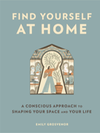
eBook
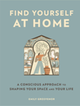
Find yourself at home : a conscious approach to shaping your space and your life
Grosvenor, Emily
Chronicle Prism
, 2023
; English
; 241 Pages
Experience magical shifts in your life by redesigning your living space.
Home can be a space to explore your sense of self, a message board to cue your aspirational goals, and a story where you choose which parts of your past to put down and which to carry. In Find Yourself at Home, design journalist and interiors consultant Emily Grosvenor introduces her five steps to align your home to suit your purpose and your path:
PHILOSOPHY: Connect with the mystery and power of your home
SPACE: Prepare your environment for your story
BUILD: Discover design tools to cue your behavior
DESIRE: Bring your aspirations into your space
DESTINY: Take your purpose into the world
Drawing on ancient wisdom and modern science, along with examples from Grosvenor's groundbreaking research and work with clients, Find Yourself at Home is a philosophical and practical guide to making spatial shifts that will help you cultivate a more meaningful life by shaping your space so it shapes you back.
GREAT GIFT FOR HOME DÉCOR MAKEOVER AND FENG SHUI FANS: This is a great gift for people who are looking to rejuvenate their homes, and for those who love home makeover shows, marathoning HGTV shows, and bringing spiritualism and philosophy into their daily lives.
A FRESH TAKE ON HOME DESIGN: Many of us have decluttered, home-edited our pantries, tried minimalism, made our homes hygge, and chosen things that 'sparked joy.' Now it's time to shape our homes to reflect who we want to be and our purpose, to make every room align with the behaviors we want to create. This is for readers who are recognizing that our homes have become more than places to rest: they are places for mystery, self-discovery, and empowerment.
FOR READERS WORKING FROM HOME/STARTING NEW CAREERS: For many of us, our homes are now also our offices. This is the perfect guide for anyone wanting to bring more of their aspirations, such as focus, creativity, and purpose, into their workspaces.
Perfect for:
• Fans of wellness and those interested in Feng Shui, creating habits, and setting intentions
• Anyone looking for ways to make their home reflect who they are and their goals/aspirations
• Anyone working from home or starting a new business from home
• An inspiring and practical gift
• Fans of Marie Kondo's books and popular guidebooks such as Joy of Less, Soulful Simplicity, Clear Your Clutter with Feng Shui, The House Witch, and Theology of Home
Grosvenor, Emily
Chronicle Prism
, 2023
; English
; 241 Pages
Experience magical shifts in your life by redesigning your living space.
Home can be a space to explore your sense of self, a message board to cue your aspirational goals, and a story where you choose which parts of your past to put down and which to carry. In Find Yourself at Home, design journalist and interiors consultant Emily Grosvenor introduces her five steps to align your home to suit your purpose and your path:
PHILOSOPHY: Connect with the mystery and power of your home
SPACE: Prepare your environment for your story
BUILD: Discover design tools to cue your behavior
DESIRE: Bring your aspirations into your space
DESTINY: Take your purpose into the world
Drawing on ancient wisdom and modern science, along with examples from Grosvenor's groundbreaking research and work with clients, Find Yourself at Home is a philosophical and practical guide to making spatial shifts that will help you cultivate a more meaningful life by shaping your space so it shapes you back.
GREAT GIFT FOR HOME DÉCOR MAKEOVER AND FENG SHUI FANS: This is a great gift for people who are looking to rejuvenate their homes, and for those who love home makeover shows, marathoning HGTV shows, and bringing spiritualism and philosophy into their daily lives.
A FRESH TAKE ON HOME DESIGN: Many of us have decluttered, home-edited our pantries, tried minimalism, made our homes hygge, and chosen things that 'sparked joy.' Now it's time to shape our homes to reflect who we want to be and our purpose, to make every room align with the behaviors we want to create. This is for readers who are recognizing that our homes have become more than places to rest: they are places for mystery, self-discovery, and empowerment.
FOR READERS WORKING FROM HOME/STARTING NEW CAREERS: For many of us, our homes are now also our offices. This is the perfect guide for anyone wanting to bring more of their aspirations, such as focus, creativity, and purpose, into their workspaces.
Perfect for:
• Fans of wellness and those interested in Feng Shui, creating habits, and setting intentions
• Anyone looking for ways to make their home reflect who they are and their goals/aspirations
• Anyone working from home or starting a new business from home
• An inspiring and practical gift
• Fans of Marie Kondo's books and popular guidebooks such as Joy of Less, Soulful Simplicity, Clear Your Clutter with Feng Shui, The House Witch, and Theology of Home
eBook
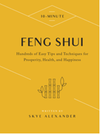
10-minute Feng Shui : hundreds of easy tips and techniques for prosperity, health, and happiness
Alexander, Skye
Fair Winds Press
, 2019
; English
; 211 Pages
Feng shui, the ancient Chinese art of placement, can transform your love life, financial situation, health, and overall happiness. With 10-Minute Feng Shui, learn how to reap these benefits with just a few simple changes to your home decor. This amazing art is easier than you think: Put a vase of yellow flowers in your kitchen to increase your wealth. Place a live plant in your bedroom to improve your love life. Tie nine small bells on a red cord and hang it from your front door to bring happiness into your home. Hang a mobile in a sick room to clear congestion and respiration problems. And more. In just ten minutes, revive stagnant energy and bring "ch'i" into you home. Feng shui has been used successfully for centuries, and the tips in this book are the best of what the art has to offer. They're simple, they're fun, and they work!
eBook
Alexander, Skye
Fair Winds Press
, 2019
; English
; 211 Pages
Feng shui, the ancient Chinese art of placement, can transform your love life, financial situation, health, and overall happiness. With 10-Minute Feng Shui, learn how to reap these benefits with just a few simple changes to your home decor. This amazing art is easier than you think: Put a vase of yellow flowers in your kitchen to increase your wealth. Place a live plant in your bedroom to improve your love life. Tie nine small bells on a red cord and hang it from your front door to bring happiness into your home. Hang a mobile in a sick room to clear congestion and respiration problems. And more. In just ten minutes, revive stagnant energy and bring "ch'i" into you home. Feng shui has been used successfully for centuries, and the tips in this book are the best of what the art has to offer. They're simple, they're fun, and they work!
eBook
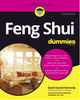
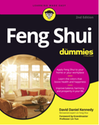
Feng Shui for dummies, second edition
Kennedy, David Daniel
Wiley Publishing
, 2019
; English
; 451 Pages
Take a look around you. What do you see? Whether or not you're aware of it, your environment profoundly affects your health, wealth, family life, relationship, and yes, even your destiny.
Feng Shui (pronounced fung shway), which means wind water, is the ancient Chinese study of harmony and energy flow between you and your physical surroundings. Now, Feng Shui For Dummies, 2nd Edition shows you how you can apply Feng Shui principles to your home (inside and out) and workplace (from window office to cubicle) in order to achieve a better life.
- Principles are explained in an easy-to-understand language
- Practical tips show you how to incorporate the traditions of Feng Shui to your everyday life
- Before-and-after illustrations and full-color photos of real-life Feng Shui makeovers in an all-new 8-page color insert
Free of technical jargon and brimming with practical tips and advice, Feng Shui For Dummies shows you how to feel and access the energy of your environment and create harmony and happiness in your life.
Kennedy, David Daniel
Wiley Publishing
, 2019
; English
; 451 Pages
Take a look around you. What do you see? Whether or not you're aware of it, your environment profoundly affects your health, wealth, family life, relationship, and yes, even your destiny.
Feng Shui (pronounced fung shway), which means wind water, is the ancient Chinese study of harmony and energy flow between you and your physical surroundings. Now, Feng Shui For Dummies, 2nd Edition shows you how you can apply Feng Shui principles to your home (inside and out) and workplace (from window office to cubicle) in order to achieve a better life.
- Principles are explained in an easy-to-understand language
- Practical tips show you how to incorporate the traditions of Feng Shui to your everyday life
- Before-and-after illustrations and full-color photos of real-life Feng Shui makeovers in an all-new 8-page color insert
Free of technical jargon and brimming with practical tips and advice, Feng Shui For Dummies shows you how to feel and access the energy of your environment and create harmony and happiness in your life.
eBook
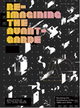
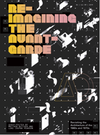
Re-imagining the avant-garde: revisiting the architecture of the 1960s and 1970s
Butcher, Matthew; Pearson, Luke C.
Wiley
, 2019
; English
; 141 Pages
The 1960s and 1970s avant-garde has been likened to an ‘architectural Big Bang’, such was the intensity of energy and ambition in which it exploded into the postwar world. Marked out by architectural projects that redefined the discipline, it remains just as influential today. References to the likes of Archizoom, Peter Eisenman, John Hejduk and Superstudio abound. Highly diverse, the avant-garde cannot be defined as a single strand or tendency. It was divergent geographically – reaching from Europe to North America and Japan – and in its political, formal and cultural preoccupations. It was unified, though, as a critical and experimental force, critiquing contemporary society against the backdrop of extreme social and political upheaval: the Paris riots of May 1968, the anti-Vietnam war movement in America and the looming ecological crisis.
Re-imagining the Avant-garde outlines how in contemporary architectural practice, avant-garde projects retain their power as historical precedents, as barometers of a particular design ethos, as critiques of society and instigators of new formal techniques. Given the far-reaching impact of the subsequent digital revolution, which has since reshaped every aspect of practice, the issue asks why this historical period continues to retain its undeniable grip on current architecture.
Contributors: Pablo Bronstein and Sam Jacob, Sarah Deyong, Stylianos Giamarelos, Damjan Jovanovic, Andrew Kovacs, Perry Kulper, Igor Marjanovic, William Menking, Michael Sorkin, Neil Spiller and Mimi Zeiger.
Featured architects: Archizoom, Andrea Branzi, Jimenez Lai, Luis Miguel (Koldo) Lus Arana (Klaus), NEMESTUDIO, Superstudio and UrbanLab.
Butcher, Matthew; Pearson, Luke C.
Wiley
, 2019
; English
; 141 Pages
The 1960s and 1970s avant-garde has been likened to an ‘architectural Big Bang’, such was the intensity of energy and ambition in which it exploded into the postwar world. Marked out by architectural projects that redefined the discipline, it remains just as influential today. References to the likes of Archizoom, Peter Eisenman, John Hejduk and Superstudio abound. Highly diverse, the avant-garde cannot be defined as a single strand or tendency. It was divergent geographically – reaching from Europe to North America and Japan – and in its political, formal and cultural preoccupations. It was unified, though, as a critical and experimental force, critiquing contemporary society against the backdrop of extreme social and political upheaval: the Paris riots of May 1968, the anti-Vietnam war movement in America and the looming ecological crisis.
Re-imagining the Avant-garde outlines how in contemporary architectural practice, avant-garde projects retain their power as historical precedents, as barometers of a particular design ethos, as critiques of society and instigators of new formal techniques. Given the far-reaching impact of the subsequent digital revolution, which has since reshaped every aspect of practice, the issue asks why this historical period continues to retain its undeniable grip on current architecture.
Contributors: Pablo Bronstein and Sam Jacob, Sarah Deyong, Stylianos Giamarelos, Damjan Jovanovic, Andrew Kovacs, Perry Kulper, Igor Marjanovic, William Menking, Michael Sorkin, Neil Spiller and Mimi Zeiger.
Featured architects: Archizoom, Andrea Branzi, Jimenez Lai, Luis Miguel (Koldo) Lus Arana (Klaus), NEMESTUDIO, Superstudio and UrbanLab.
eBook
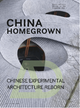
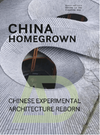
China homegrown : Chinese experimental architecture reborn
Lu, Andong; Dou, Pingping
Wiley
, 2019
; English
; 149 Pages
Today, architecture in China is at a watershed. Over the last decade, rapid urbanisation and the burgeoning economy turned the country into a playground for the world’s signature architects, making it possible to realise extravagant forms and structures at a vast scale. The Chinese government has now drawn a line under this phenomenon by issuing a directive calling an end to the ‘oversized, xenocentric, weird’ buildings devoid of character or cultural heritage that have sprung up across the country, requiring that urban architecture be 'suitable, economic, green and pleasing to the eye'.
This government directive comes at a time when homegrown architecture has become increasingly self-assured and reflective in its approach. A new generation of architects in China in their 30s and 40s are emerging, and in a wholly contemporary way they are exploring local responses to often bewildering urban and rural conditions and serious social and environmental challenges. This is often expressed through a revival of interest in traditional street patterns, courtyards and gardens. At the same time, architects are also recognising the opportunities to harness the potential of China’s established manufacturing base to develop prefabricated building systems. Innovative practices are employing new modes of working, such as research-based studio teaching and exhibitions, field workshops, cross-disciplinary collaboration, laboratory-based practice, design think-tanks and collective projects, generating a vibrant culture of design research.
Lu, Andong; Dou, Pingping
Wiley
, 2019
; English
; 149 Pages
Today, architecture in China is at a watershed. Over the last decade, rapid urbanisation and the burgeoning economy turned the country into a playground for the world’s signature architects, making it possible to realise extravagant forms and structures at a vast scale. The Chinese government has now drawn a line under this phenomenon by issuing a directive calling an end to the ‘oversized, xenocentric, weird’ buildings devoid of character or cultural heritage that have sprung up across the country, requiring that urban architecture be 'suitable, economic, green and pleasing to the eye'.
This government directive comes at a time when homegrown architecture has become increasingly self-assured and reflective in its approach. A new generation of architects in China in their 30s and 40s are emerging, and in a wholly contemporary way they are exploring local responses to often bewildering urban and rural conditions and serious social and environmental challenges. This is often expressed through a revival of interest in traditional street patterns, courtyards and gardens. At the same time, architects are also recognising the opportunities to harness the potential of China’s established manufacturing base to develop prefabricated building systems. Innovative practices are employing new modes of working, such as research-based studio teaching and exhibitions, field workshops, cross-disciplinary collaboration, laboratory-based practice, design think-tanks and collective projects, generating a vibrant culture of design research.
eBook
賀春榮
秀威資訊科技
, 2018
; Traditional Chinese
; 255 Pages
▍「格局篇」增訂版,將內容再一次編排與整合,讓讀者在閱讀與學習上,更加融會貫通!
「格局」在紫微斗數中,是為突顯出某些「主星」與「副星(雜曜)」的碰撞組合說明。然本書作者在1989年學習紫微斗數的前後十年裡,發現大多的書籍是以「公式、條列式」來說明格局,甚至當時紫微斗數的派系中,只有「南派」與「中州派」是重視「星曜屬性」、「星曜組合」、「星曜變化」;而北派(四化派)大多僅重視「宮位、四化」的變化。
本書「格局篇」乃深受「中州派」的「斗數四書」啟蒙,更是將「星曜變化」的組合完整呈現。作者將數年來學習紫微斗數的心得,先以「歸納」再以「一分為二」或「二分為四」的方式,將各主星正曜的「星曜組合」整理成之,望初學者能透過此方式,更加容易理解組合的「差異」。
eBook
賀春榮
秀威資訊科技
, 2018
; Traditional Chinese
; 255 Pages
▍「格局篇」增訂版,將內容再一次編排與整合,讓讀者在閱讀與學習上,更加融會貫通!
「格局」在紫微斗數中,是為突顯出某些「主星」與「副星(雜曜)」的碰撞組合說明。然本書作者在1989年學習紫微斗數的前後十年裡,發現大多的書籍是以「公式、條列式」來說明格局,甚至當時紫微斗數的派系中,只有「南派」與「中州派」是重視「星曜屬性」、「星曜組合」、「星曜變化」;而北派(四化派)大多僅重視「宮位、四化」的變化。
本書「格局篇」乃深受「中州派」的「斗數四書」啟蒙,更是將「星曜變化」的組合完整呈現。作者將數年來學習紫微斗數的心得,先以「歸納」再以「一分為二」或「二分為四」的方式,將各主星正曜的「星曜組合」整理成之,望初學者能透過此方式,更加容易理解組合的「差異」。
eBook
賀春榮
秀威資訊科技
, 2018
; Traditional Chinese
; 281 Pages
▍單一拆解十四顆主星星性,星曜特性一目了然。
本書作者自1989年拜師王尚德老師學習「南派」斗數,1992年後陸續研讀「中州派」王亭之先生的書籍,深感紫微斗數的學習大多有所框架且派別分岐。故作者在2008年嘗試以「一分為二」和「心智圖」的方式,融合了斗數的「南派」與「中州派」的星曜屬性,編寫了《紫微斗數筆記本‧主星篇》與《紫微斗數筆記本‧副星篇》兩本書。《主星篇》中的「十四顆」主星或正曜,是為斗數命盤中的主要枝幹,亦可說十四顆主星座落十二宮支不同,亦是展現各命造對人生的不同價值觀。而《副星篇》的眾多「吉曜」、「凶曜」、「雜曜」與「神煞」,更是將每個命造作細部區分。筆者將各星曜以「心智圖」的方式編排,更以「筆記本」的方式呈現,以期讓紫微斗數的初學者有鳥瞰的思維及更多的想像空間。
eBook
賀春榮
秀威資訊科技
, 2018
; Traditional Chinese
; 281 Pages
▍單一拆解十四顆主星星性,星曜特性一目了然。
本書作者自1989年拜師王尚德老師學習「南派」斗數,1992年後陸續研讀「中州派」王亭之先生的書籍,深感紫微斗數的學習大多有所框架且派別分岐。故作者在2008年嘗試以「一分為二」和「心智圖」的方式,融合了斗數的「南派」與「中州派」的星曜屬性,編寫了《紫微斗數筆記本‧主星篇》與《紫微斗數筆記本‧副星篇》兩本書。《主星篇》中的「十四顆」主星或正曜,是為斗數命盤中的主要枝幹,亦可說十四顆主星座落十二宮支不同,亦是展現各命造對人生的不同價值觀。而《副星篇》的眾多「吉曜」、「凶曜」、「雜曜」與「神煞」,更是將每個命造作細部區分。筆者將各星曜以「心智圖」的方式編排,更以「筆記本」的方式呈現,以期讓紫微斗數的初學者有鳥瞰的思維及更多的想像空間。
eBook
賀春榮
秀威資訊科技
, 2018
; Traditional Chinese
; 285 Pages
▍本書以《紫微斗數筆記本‧主星篇》為藍本,進階延伸紫微星系(紫微星、天機星、太陽星、武曲星、天同星、廉貞星),掌握其重點與論命觀。
「論命觀念篇」原先為2013年賀春榮老師網路教學延伸所用,以《紫微斗數筆記本‧主星篇》為基底,在教學中透過「論命觀念篇」,供學員繼續延伸,能更加理解與聯想。
「論命觀念篇」以「四階段」全部串連與融會貫通——「主星、副星、格局(組合)、技巧(觀念)」為主要教學目標,並以「研究者(深入研究)」角度為主,除了在第一階段仍有循序漸進的聯想與瞭解之外,另外也開始帶入一些論命的技巧,或看盤的活用,讓學員們能更充分理解與融會貫通。
eBook
賀春榮
秀威資訊科技
, 2018
; Traditional Chinese
; 285 Pages
▍本書以《紫微斗數筆記本‧主星篇》為藍本,進階延伸紫微星系(紫微星、天機星、太陽星、武曲星、天同星、廉貞星),掌握其重點與論命觀。
「論命觀念篇」原先為2013年賀春榮老師網路教學延伸所用,以《紫微斗數筆記本‧主星篇》為基底,在教學中透過「論命觀念篇」,供學員繼續延伸,能更加理解與聯想。
「論命觀念篇」以「四階段」全部串連與融會貫通——「主星、副星、格局(組合)、技巧(觀念)」為主要教學目標,並以「研究者(深入研究)」角度為主,除了在第一階段仍有循序漸進的聯想與瞭解之外,另外也開始帶入一些論命的技巧,或看盤的活用,讓學員們能更充分理解與融會貫通。
eBook
賀春榮
秀威資訊科技
, 2018
; Traditional Chinese
; 275 Pages
▍本書以《紫微斗數筆記本‧主星篇》為藍本,進階延伸天府星系(天府星、太陰星、貪狼星、巨門星、天相星、天梁星、七殺星、破軍星),掌握其重點與論命觀。
「論命觀念篇」原先為2013年賀春榮老師網路教學延伸所用,以《紫微斗數筆記本‧主星篇》為基底,在教學中透過「論命觀念篇」,供學員繼續延伸,能更加理解與聯想。
「論命觀念篇」以「四階段」全部串連與融會貫通——「主星、副星、格局(組合)、技巧(觀念)」為主要教學目標,並以「研究者(深入研究)」角度為主,除了在第一階段仍有循序漸進的聯想與瞭解之外,另外也開始帶入一些論命的技巧,或看盤的活用,讓學員們能更充分理解與融會貫通。
eBook
賀春榮
秀威資訊科技
, 2018
; Traditional Chinese
; 275 Pages
▍本書以《紫微斗數筆記本‧主星篇》為藍本,進階延伸天府星系(天府星、太陰星、貪狼星、巨門星、天相星、天梁星、七殺星、破軍星),掌握其重點與論命觀。
「論命觀念篇」原先為2013年賀春榮老師網路教學延伸所用,以《紫微斗數筆記本‧主星篇》為基底,在教學中透過「論命觀念篇」,供學員繼續延伸,能更加理解與聯想。
「論命觀念篇」以「四階段」全部串連與融會貫通——「主星、副星、格局(組合)、技巧(觀念)」為主要教學目標,並以「研究者(深入研究)」角度為主,除了在第一階段仍有循序漸進的聯想與瞭解之外,另外也開始帶入一些論命的技巧,或看盤的活用,讓學員們能更充分理解與融會貫通。
eBook
賀春榮
秀威資訊科技
, 2018
; Traditional Chinese
; 259 Pages
▍結合「星曜排盤」與「副星及雜曜之星性」,提升斗數結構認知及運勢分析的活用性。
本書作者自1989年拜師王尚德老師學習「南派」斗數,1992年後陸續研讀「中州派」王亭之先生的書籍,深感紫微斗數的學習大多有所框架且派別分岐。故作者在2008年嘗試以「一分為二」和「心智圖」的方式,融合了斗數的「南派」與「中州派」的星曜屬性,編寫了《紫微斗數筆記本‧主星篇》與《紫微斗數筆記本‧副星篇》兩本書。《主星篇》中的「十四顆」主星或正曜,是為斗數命盤中的主要枝幹,亦可說十四顆主星座落十二宮支不同,亦是展現各命造對人生的不同價值觀。而《副星篇》的眾多「吉曜」、「凶曜」、「雜曜」與「神煞」,更是將每個命造作細部區分。筆者將各星曜以「心智圖」的方式編排,更以「筆記本」的方式呈現,以期讓紫微斗數的初學者有鳥瞰的思維及更多的想像空間。
eBook
賀春榮
秀威資訊科技
, 2018
; Traditional Chinese
; 259 Pages
▍結合「星曜排盤」與「副星及雜曜之星性」,提升斗數結構認知及運勢分析的活用性。
本書作者自1989年拜師王尚德老師學習「南派」斗數,1992年後陸續研讀「中州派」王亭之先生的書籍,深感紫微斗數的學習大多有所框架且派別分岐。故作者在2008年嘗試以「一分為二」和「心智圖」的方式,融合了斗數的「南派」與「中州派」的星曜屬性,編寫了《紫微斗數筆記本‧主星篇》與《紫微斗數筆記本‧副星篇》兩本書。《主星篇》中的「十四顆」主星或正曜,是為斗數命盤中的主要枝幹,亦可說十四顆主星座落十二宮支不同,亦是展現各命造對人生的不同價值觀。而《副星篇》的眾多「吉曜」、「凶曜」、「雜曜」與「神煞」,更是將每個命造作細部區分。筆者將各星曜以「心智圖」的方式編排,更以「筆記本」的方式呈現,以期讓紫微斗數的初學者有鳥瞰的思維及更多的想像空間。
