

Navigation menu
Search
eBook
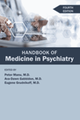
Handbook of medicine in psychiatry, fourth edition
Manu, Peter; Gabbidon, Ava-Dawn; Grudnikoff, Eugene
American Psychiatric Association Publishing
, 2025
; English
; 687 Pages
In 2006, the Handbook of Medicine in Psychiatry became a first-of-its-kind printed medical resource for psychiatrists in training or practice. Nearly two decades and three editions later, it remains an invaluable tool for health care professionals working at the intersection of medical and psychiatric conditions.
As informative and rigorous as its predecessors, this fourth edition is uniquely accessible and practical, providing a user-friendly knowledge base for dealing with the medical pathology of psychiatric patients, who often experience a higher burden of physical illnesses that can hinder their psychiatric treatment. Thoroughly updated to reflect the latest literature and consensus approaches, this guide describes the most common medical conditions confronting clinicians in both inpatient and outpatient psychiatric settings.
For abnormal vital signs, such as fever and hypertension; somatic symptoms, including headache and seizures; laboratory abnormalities in thyroid and liver function, among others; and major adverse effects of psychotropic drugs, this volume addresses five key questions:
Is the patient at risk of dying or severe disability within the next 24 hours? Does the patient require immediate intervention for a potentially life-threatening condition? Should the patient be transferred to an emergency medicine setting? Does the patient need urgent laboratory or radiological investigations or surgical consultations? Are changes to the current psychiatric treatment required?
Among the new features in this edition are chapters that address obesity and related metabolic abnormalities and sepsis, as well as sections highlighting the importance of interdisciplinary collaboration and a team-based approach that includes psychiatrists, nurses, social workers, and other health care professionals to improve patient outcomes. Each expert-authored chapter includes clinical vignettes, key points, and suggested readings.
Relevant for physicians, nurse practitioners and medical students, the Handbook of Medicine in Psychiatry will help readers understand the intricate relationship between medical and psychiatric disease and provide them with the tools and knowledge necessary to provide holistic and effective care.
Manu, Peter; Gabbidon, Ava-Dawn; Grudnikoff, Eugene
American Psychiatric Association Publishing
, 2025
; English
; 687 Pages
In 2006, the Handbook of Medicine in Psychiatry became a first-of-its-kind printed medical resource for psychiatrists in training or practice. Nearly two decades and three editions later, it remains an invaluable tool for health care professionals working at the intersection of medical and psychiatric conditions.
As informative and rigorous as its predecessors, this fourth edition is uniquely accessible and practical, providing a user-friendly knowledge base for dealing with the medical pathology of psychiatric patients, who often experience a higher burden of physical illnesses that can hinder their psychiatric treatment. Thoroughly updated to reflect the latest literature and consensus approaches, this guide describes the most common medical conditions confronting clinicians in both inpatient and outpatient psychiatric settings.
For abnormal vital signs, such as fever and hypertension; somatic symptoms, including headache and seizures; laboratory abnormalities in thyroid and liver function, among others; and major adverse effects of psychotropic drugs, this volume addresses five key questions:
Is the patient at risk of dying or severe disability within the next 24 hours? Does the patient require immediate intervention for a potentially life-threatening condition? Should the patient be transferred to an emergency medicine setting? Does the patient need urgent laboratory or radiological investigations or surgical consultations? Are changes to the current psychiatric treatment required?
Among the new features in this edition are chapters that address obesity and related metabolic abnormalities and sepsis, as well as sections highlighting the importance of interdisciplinary collaboration and a team-based approach that includes psychiatrists, nurses, social workers, and other health care professionals to improve patient outcomes. Each expert-authored chapter includes clinical vignettes, key points, and suggested readings.
Relevant for physicians, nurse practitioners and medical students, the Handbook of Medicine in Psychiatry will help readers understand the intricate relationship between medical and psychiatric disease and provide them with the tools and knowledge necessary to provide holistic and effective care.
eBook
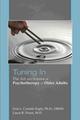
Tuning in : the art and science of psychotherapy in older adults
Cassidy-Eagle, Erin L.; Dunn, Laura B.
American Psychiatric Association Publishing
, 2025
; English
; 371 Pages
Drawing on the experience of authors who conduct work in psychiatric and medical clinics for geriatric patients, in both inpatient and outpatient and private practice settings, Tuning In: The Art and Science of Psychotherapy in Older Adults is an expert guide on addressing common real-world scenarios that present themselves for treatment in this population.
Without discounting the value of evidence-based treatments for specific pathologies, it emphasizes the importance of advanced clinical interviewing skills for truly understanding patients' backgrounds, concerns, and goals for treatment. Filled with case vignettes, the book opens with an overview of numerous therapeutic modalities—including cognitive-behavioral therapy, motivational interviewing, dialectical behavior therapy, and group therapies—and their use with older adults.
It goes on to consider • Factors that impact clinical presentation and care, including cognitive functioning, socioeconomic status, structural racism, and social determinants of health• Adopting a transdiagnostic and integrative psychotherapy approach when working with older patients• Common life challenges encountered by clinicians, including new-onset alcohol and substance use, grief and bereavement, and cognitive dysfunction• Current therapeutic approaches, including the use of telehealth and digital tools, interventions in primary care, and psychological wellness groups Accessible, wide-ranging, and rooted in real-world experience, this volume provides readers with the guidance they need to effectively communicate with patients in a way that is understandable and motivating.
The information included in this guide will help clinicians as they make patients and their families feel understood, respected, and hopeful about the goals of treatment.
Cassidy-Eagle, Erin L.; Dunn, Laura B.
American Psychiatric Association Publishing
, 2025
; English
; 371 Pages
Drawing on the experience of authors who conduct work in psychiatric and medical clinics for geriatric patients, in both inpatient and outpatient and private practice settings, Tuning In: The Art and Science of Psychotherapy in Older Adults is an expert guide on addressing common real-world scenarios that present themselves for treatment in this population.
Without discounting the value of evidence-based treatments for specific pathologies, it emphasizes the importance of advanced clinical interviewing skills for truly understanding patients' backgrounds, concerns, and goals for treatment. Filled with case vignettes, the book opens with an overview of numerous therapeutic modalities—including cognitive-behavioral therapy, motivational interviewing, dialectical behavior therapy, and group therapies—and their use with older adults.
It goes on to consider • Factors that impact clinical presentation and care, including cognitive functioning, socioeconomic status, structural racism, and social determinants of health• Adopting a transdiagnostic and integrative psychotherapy approach when working with older patients• Common life challenges encountered by clinicians, including new-onset alcohol and substance use, grief and bereavement, and cognitive dysfunction• Current therapeutic approaches, including the use of telehealth and digital tools, interventions in primary care, and psychological wellness groups Accessible, wide-ranging, and rooted in real-world experience, this volume provides readers with the guidance they need to effectively communicate with patients in a way that is understandable and motivating.
The information included in this guide will help clinicians as they make patients and their families feel understood, respected, and hopeful about the goals of treatment.
eBook
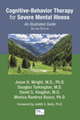
Cognitive-behavior therapy for severe mental illness : an illustrated guide, second edition
Wright, Jesse H.; Turkington, Douglas; Kingdon, David G.; Basco, Monica Ramirez
American Psychiatric Association Publishing
, 2025
; English
; 382 Pages
Since the 2009 publication of Cognitive-Behavior Therapy for Severe Mental Illness, practitioners and researchers around the world have built on its tenets to further advance care.
With appropriate modifications, cognitive-behavior therapy (CBT) is well suited for patients diagnosed with difficult-to-treat psychiatric illnesses such as schizophrenia and related psychoses, bipolar disorder, and severe or treatment-resistant depression. This second edition provides a timely update, incorporating evidence-based research and treatment advances in a practical and easy-to-use guide with naturalistic video demonstrations.
With compelling case examples throughout the text, this guide helps clinicians Forge collaborative therapeutic relationships Reduce suicide risk Promote positive coping with hallucinations, delusions, and other manifestations of severe psychiatric illness Work with persistent issues such as entrenched delusions and negative symptoms Manage psychotic symptoms associated with trauma Develop relapse prevention plans Personalize CBT interventions to reflect each patient's biomedical status, sociocultural background, and cognitive and behavioral characteristics.
New in this edition are troubleshooting guides and an expanded range of video illustrations for common clinical problems. The appendix contains worksheets, checklists, and rating scales for implementing CBT. The authors emphasize a collaborative therapeutic relationship in which each patient learns the skills to use CBT strategies in daily life, manage symptoms, follow medication regimens, experience well-being, and move toward recovery.
Wright, Jesse H.; Turkington, Douglas; Kingdon, David G.; Basco, Monica Ramirez
American Psychiatric Association Publishing
, 2025
; English
; 382 Pages
Since the 2009 publication of Cognitive-Behavior Therapy for Severe Mental Illness, practitioners and researchers around the world have built on its tenets to further advance care.
With appropriate modifications, cognitive-behavior therapy (CBT) is well suited for patients diagnosed with difficult-to-treat psychiatric illnesses such as schizophrenia and related psychoses, bipolar disorder, and severe or treatment-resistant depression. This second edition provides a timely update, incorporating evidence-based research and treatment advances in a practical and easy-to-use guide with naturalistic video demonstrations.
With compelling case examples throughout the text, this guide helps clinicians Forge collaborative therapeutic relationships Reduce suicide risk Promote positive coping with hallucinations, delusions, and other manifestations of severe psychiatric illness Work with persistent issues such as entrenched delusions and negative symptoms Manage psychotic symptoms associated with trauma Develop relapse prevention plans Personalize CBT interventions to reflect each patient's biomedical status, sociocultural background, and cognitive and behavioral characteristics.
New in this edition are troubleshooting guides and an expanded range of video illustrations for common clinical problems. The appendix contains worksheets, checklists, and rating scales for implementing CBT. The authors emphasize a collaborative therapeutic relationship in which each patient learns the skills to use CBT strategies in daily life, manage symptoms, follow medication regimens, experience well-being, and move toward recovery.
eBook
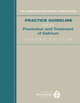
American Psychiatric Association
American Psychiatric Association
, 2025
; English
; 92 Pages
Prevalence rates of delirium range widely depending on patient population and treatment setting. Information on rates of delirium in community settings is limited, but in emergency and hospital settings, one-quarter or more of the patients will experience delirium. Rates can be even higher in older individuals, critical care patients, and patients who have had major orthopedic or cardiovascular surgeries.
Prevention, early detection, and optimal treatment are critical because delirium is often unrecognized and is associated with increased morbidity and mortality. For example, postsurgical delirium has been reported to have a 30-day mortality rate of up to 10%, versus 1% in postsurgical patients without delirium. Additionally, delirium exacts a significant economic toll on individuals, their families, and society because of longer hospital stays, ICU admissions, rehospitalizations, and lost wages. In the United States, direct health care costs of hospitalized older adults with delirium are significantly higher than hospitalized patients without delirium, even after adjusting for demographic and clinical factors.
The American Psychiatric Association Practice Guideline for the Prevention and Treatment of Delirium reviews current evidence-based nonpharmacological and pharmacological interventions to prevent or treat delirium in adults. In addition, it includes statements related to assessment and treatment planning, which are an integral part of patient-centered care. The guideline describes approaches to implementing recommendations and suggestions in clinical practice. By providing up-to-date knowledge, the guideline aims to help clinicians feel more confident in preventing, recognizing, and treating delirium, thereby improving the care and well-being of their patients.Evidence tables, literature search results, clinical questions, and more for this guideline can be found in the online appendixes.
American Psychiatric Association
American Psychiatric Association
, 2025
; English
; 92 Pages
Prevalence rates of delirium range widely depending on patient population and treatment setting. Information on rates of delirium in community settings is limited, but in emergency and hospital settings, one-quarter or more of the patients will experience delirium. Rates can be even higher in older individuals, critical care patients, and patients who have had major orthopedic or cardiovascular surgeries.
Prevention, early detection, and optimal treatment are critical because delirium is often unrecognized and is associated with increased morbidity and mortality. For example, postsurgical delirium has been reported to have a 30-day mortality rate of up to 10%, versus 1% in postsurgical patients without delirium. Additionally, delirium exacts a significant economic toll on individuals, their families, and society because of longer hospital stays, ICU admissions, rehospitalizations, and lost wages. In the United States, direct health care costs of hospitalized older adults with delirium are significantly higher than hospitalized patients without delirium, even after adjusting for demographic and clinical factors.
The American Psychiatric Association Practice Guideline for the Prevention and Treatment of Delirium reviews current evidence-based nonpharmacological and pharmacological interventions to prevent or treat delirium in adults. In addition, it includes statements related to assessment and treatment planning, which are an integral part of patient-centered care. The guideline describes approaches to implementing recommendations and suggestions in clinical practice. By providing up-to-date knowledge, the guideline aims to help clinicians feel more confident in preventing, recognizing, and treating delirium, thereby improving the care and well-being of their patients.Evidence tables, literature search results, clinical questions, and more for this guideline can be found in the online appendixes.
eBook
Clinician technique in personalized psychotherapy
Horowitz, Mardi J.
American Psychiatric Association Publishing
, 2025
; English
; 155 Pages
Drawing from Dr. Mardi Horowitz's decades of experience in psychotherapy research and clinical practice, Clinician Technique in Personalized Psychotherapy melds theory and practice to elucidate the most effective techniques at each stage of therapy. The integrative cognitive-psychodynamic approach described in this comprehensive volume is applicable to patients with diverse backgrounds and various diagnoses.
In clear and practical terms, in-depth chapters reveal how to form and strengthen the therapeutic alliance between clinician and patient. Horowitz emphasizes the importance of moment-by-moment collaboration, asserting that this dynamic partnership is key to achieving the best patient results.
This book offers evidence-based guidance for several key strategies:
Personalizing a patient's path toward self-evolution by way of continuous formulating and reformulating throughout the therapeutic process Understanding and addressing defensive avoidances, such as emotional blunting, intellectualization, generalization, and projection Applying techniques to slow down impulses and show adaptive routes forward Tailoring responses to the patient's current level of personality functioning Overcoming obstacles presented by patients with narcissistic traits
Case examples and dialogues offer vivid insights into what patients might say and how therapists might respond, illustrating why certain interventions work better than others at specific therapeutic stages. Throughout, tables and diagrams organize observations made in assessments or therapy sessions into manageable categories that guide interventions, and terms are clearly defined in footnotes and a glossary.
Beyond its benefits for the therapist-patient dyad, the integrative approach outlined in Clinician Technique in Personalized Psychotherapy fosters common ground among clinicians from diverse therapeutic backgrounds.
Horowitz, Mardi J.
American Psychiatric Association Publishing
, 2025
; English
; 155 Pages
Drawing from Dr. Mardi Horowitz's decades of experience in psychotherapy research and clinical practice, Clinician Technique in Personalized Psychotherapy melds theory and practice to elucidate the most effective techniques at each stage of therapy. The integrative cognitive-psychodynamic approach described in this comprehensive volume is applicable to patients with diverse backgrounds and various diagnoses.
In clear and practical terms, in-depth chapters reveal how to form and strengthen the therapeutic alliance between clinician and patient. Horowitz emphasizes the importance of moment-by-moment collaboration, asserting that this dynamic partnership is key to achieving the best patient results.
This book offers evidence-based guidance for several key strategies:
Personalizing a patient's path toward self-evolution by way of continuous formulating and reformulating throughout the therapeutic process Understanding and addressing defensive avoidances, such as emotional blunting, intellectualization, generalization, and projection Applying techniques to slow down impulses and show adaptive routes forward Tailoring responses to the patient's current level of personality functioning Overcoming obstacles presented by patients with narcissistic traits
Case examples and dialogues offer vivid insights into what patients might say and how therapists might respond, illustrating why certain interventions work better than others at specific therapeutic stages. Throughout, tables and diagrams organize observations made in assessments or therapy sessions into manageable categories that guide interventions, and terms are clearly defined in footnotes and a glossary.
Beyond its benefits for the therapist-patient dyad, the integrative approach outlined in Clinician Technique in Personalized Psychotherapy fosters common ground among clinicians from diverse therapeutic backgrounds.
eBook
Forensic neuropsychiatric ethics : balancing competing duties in and out of court
Darby, William Connor; Weinstock, Robert
American Psychiatric Association Publishing
, 2025
; English
; 355 Pages
When acting in a forensic role, clinicians—psychiatrists, psychologists, neurologists, and other medical or mental health practitioners—face the intersection of the legal and medical systems. A number of questions arise: Should they prioritize medical values or legal values when providing expert testimony? How do they serve justice, rather than advocating for one side or the other? How can they adequately address cultural and social factors that may influence individuals' actions, as well as structural biases that affect the system itself?
Forensic Neuropsychiatric Ethics provides a pragmatic approach to ethical dilemmas, outlining decision-making skills for problems not addressed by other guidelines. This volume covers
• The history of forensic psychiatric ethics, forensic ethics theories, and approaches to ethical dilemmas• Ethics considerations and applications for forensic work, including how to ethically write reports, testify, and make use of neuroimaging technologies, psychological test results, and violence risk assessments• Hot-button topics, such as physician-assisted death, abortion, Second Amendment rights, capital cases, the "duty to warn" third parties, and involuntary outpatient commitment
With practical guidance in each chapter bolstered by conclusions that reprise the most important information, Forensic Neuropsychiatric Ethics is a pivotal reference for mental health clinicians committed to promoting both justice and respect for individuals while engaging in forensic work.
Darby, William Connor; Weinstock, Robert
American Psychiatric Association Publishing
, 2025
; English
; 355 Pages
When acting in a forensic role, clinicians—psychiatrists, psychologists, neurologists, and other medical or mental health practitioners—face the intersection of the legal and medical systems. A number of questions arise: Should they prioritize medical values or legal values when providing expert testimony? How do they serve justice, rather than advocating for one side or the other? How can they adequately address cultural and social factors that may influence individuals' actions, as well as structural biases that affect the system itself?
Forensic Neuropsychiatric Ethics provides a pragmatic approach to ethical dilemmas, outlining decision-making skills for problems not addressed by other guidelines. This volume covers
• The history of forensic psychiatric ethics, forensic ethics theories, and approaches to ethical dilemmas• Ethics considerations and applications for forensic work, including how to ethically write reports, testify, and make use of neuroimaging technologies, psychological test results, and violence risk assessments• Hot-button topics, such as physician-assisted death, abortion, Second Amendment rights, capital cases, the "duty to warn" third parties, and involuntary outpatient commitment
With practical guidance in each chapter bolstered by conclusions that reprise the most important information, Forensic Neuropsychiatric Ethics is a pivotal reference for mental health clinicians committed to promoting both justice and respect for individuals while engaging in forensic work.
eBook
DSM-5-TR® casebook and treatment guide for child mental health
Galanter, Cathryn A.; Jensen, Peter S.
American Psychiatric Association Publishing
, 2025
; English
; 488 Pages
The DSM-5-TR Casebook and Treatment Guide for Child Mental Health has a singular aim: to help clinicians navigate the complexities of diagnosing and treating mental disorders in children and adolescents. Approximately 20% of children and adolescents in the United States have diagnosable mental health problems. Of those children in need, 50% do not receive mental health care.
Building on the 2017 DSM-5 edition, this guide helps bridge the gap between research and practical application. It incorporates updates and advances from DSM-5-TR as well as evidence-based assessment and treatment of children's mental health. The book is designed to be an indispensable reference and a teaching tool for trainees and clinicians of child and adolescent psychiatry, including mental health counselors, social workers, psychiatrists, psychologists, and nurse clinicians.
A roster of more than 120 field-leading contributors lend their expertise in 28 realistic case studies, each accompanied by commentaries that offer diverse perspectives on treatment approaches, from the psychotherapeutic to the psychopharmacological. The studies correspond to four categories:
1. Classic cases that include ADHD, major depressive disorder, and anorexia nervosa2. Comorbid complexities, such as children with multiple disorders or language and reading difficulties and adolescents who have misused prescription medications3. Toughest cases, which include nonsuicidal self-injury and children and adolescents at high risk for developing psychosis4. Kids in crisis, which examines young patients who have psychopathology in the context of extreme psychosocial stressors
Special attention is given to racial, ethnic, and cultural identity and how they affect diagnosis and treatment. The book's closing section discusses clinical and research issues in the diagnosis and treatment of child psychopathology.
Whether they are trainees acquainting themselves with child mental health care or more experienced clinicians seeking a proxy for a second opinion, readers will find this volume an invaluable resource for improving the lives of young people facing mental health challenges.
Galanter, Cathryn A.; Jensen, Peter S.
American Psychiatric Association Publishing
, 2025
; English
; 488 Pages
The DSM-5-TR Casebook and Treatment Guide for Child Mental Health has a singular aim: to help clinicians navigate the complexities of diagnosing and treating mental disorders in children and adolescents. Approximately 20% of children and adolescents in the United States have diagnosable mental health problems. Of those children in need, 50% do not receive mental health care.
Building on the 2017 DSM-5 edition, this guide helps bridge the gap between research and practical application. It incorporates updates and advances from DSM-5-TR as well as evidence-based assessment and treatment of children's mental health. The book is designed to be an indispensable reference and a teaching tool for trainees and clinicians of child and adolescent psychiatry, including mental health counselors, social workers, psychiatrists, psychologists, and nurse clinicians.
A roster of more than 120 field-leading contributors lend their expertise in 28 realistic case studies, each accompanied by commentaries that offer diverse perspectives on treatment approaches, from the psychotherapeutic to the psychopharmacological. The studies correspond to four categories:
1. Classic cases that include ADHD, major depressive disorder, and anorexia nervosa2. Comorbid complexities, such as children with multiple disorders or language and reading difficulties and adolescents who have misused prescription medications3. Toughest cases, which include nonsuicidal self-injury and children and adolescents at high risk for developing psychosis4. Kids in crisis, which examines young patients who have psychopathology in the context of extreme psychosocial stressors
Special attention is given to racial, ethnic, and cultural identity and how they affect diagnosis and treatment. The book's closing section discusses clinical and research issues in the diagnosis and treatment of child psychopathology.
Whether they are trainees acquainting themselves with child mental health care or more experienced clinicians seeking a proxy for a second opinion, readers will find this volume an invaluable resource for improving the lives of young people facing mental health challenges.

eBook
Handbook of climate psychiatry and psychotherapy : a manual for clinicians
Haase, Elizabeth
American Psychiatric Association Publishing
, 2025
; English
; 364 Pages
The results of climate change—more frequent and intense storms, extreme heat, and prolonged wildfire seasons, among others—are leaving a wreckage of socioeconomic consequences for society and future generations. Increasingly, attention is shifting to the neuropsychiatric damage and emotional effects of the climate crisis, including traumas, anxiety, grief, and rage. Although a number of books have been written in response, they have largely been aimed at the layperson; none have been written by physicians to support the day-to-day work of psychiatrists as they address these symptoms and struggles with their patients.
The Handbook of Climate Psychiatry and Psychotherapy has been written to fill this gap, putting everything the mental health clinician needs to know in one place. It provides the science and guidance needed for the psychiatric and psychological response to climate change in a format accessible to office- or clinic-based mental health clinicians, including physicians, physician assistants, nurse practitioners, and allied professionals.
Divided into four sections, this volume includes
• An introduction to climate justice, and the ethics and public health activities of engaging climate change as a psychiatrist• An examination of the neuropsychiatric impacts of climate effects such as extreme heat, air pollution, vector-borne illness and food and water insecurity• Practical guidance on performing climate-informed patient assessments and psychotherapy interventions at individual and group levels • A review of the community, global, institutional, research, and educational aspects of climate psychiatry
Designed for maximum utility for the busy clinician, this guide features compelling case vignettes, handy tables, and key points in each chapter. Readers will gain practical tools to assess and address each patient's symptoms and to foster the innate resilience that can lead to positive change.
Haase, Elizabeth
American Psychiatric Association Publishing
, 2025
; English
; 364 Pages
The results of climate change—more frequent and intense storms, extreme heat, and prolonged wildfire seasons, among others—are leaving a wreckage of socioeconomic consequences for society and future generations. Increasingly, attention is shifting to the neuropsychiatric damage and emotional effects of the climate crisis, including traumas, anxiety, grief, and rage. Although a number of books have been written in response, they have largely been aimed at the layperson; none have been written by physicians to support the day-to-day work of psychiatrists as they address these symptoms and struggles with their patients.
The Handbook of Climate Psychiatry and Psychotherapy has been written to fill this gap, putting everything the mental health clinician needs to know in one place. It provides the science and guidance needed for the psychiatric and psychological response to climate change in a format accessible to office- or clinic-based mental health clinicians, including physicians, physician assistants, nurse practitioners, and allied professionals.
Divided into four sections, this volume includes
• An introduction to climate justice, and the ethics and public health activities of engaging climate change as a psychiatrist• An examination of the neuropsychiatric impacts of climate effects such as extreme heat, air pollution, vector-borne illness and food and water insecurity• Practical guidance on performing climate-informed patient assessments and psychotherapy interventions at individual and group levels • A review of the community, global, institutional, research, and educational aspects of climate psychiatry
Designed for maximum utility for the busy clinician, this guide features compelling case vignettes, handy tables, and key points in each chapter. Readers will gain practical tools to assess and address each patient's symptoms and to foster the innate resilience that can lead to positive change.
eBook
Pivotal response treatment for autism: a guide for psychiatrists and support providers
Koegel, Lynn K.
American Psychiatric Association Publishing
, 2025
; English
; 202 Pages
First described as a distinct category in 1943, autism was officially categorized in the Diagnostic and Statistical Manual of Mental Disorders in 1980. Today, the Centers for Disease Control and Prevention estimate that 1 in 36 children and 1 in 45 adults in the United States have autism spectrum disorder (ASD).
For decades, applied behavior analysis (ABA) interventions were the standard for ASD. These sessions employed repetitive, drill-type practices to help patients manage interfering and disruptive behaviors that impeded learning. However, the children exposed to ABA often demonstrated a lack of enthusiasm and motivation. Pivotal response treatment (PRT) was developed to address this challenge, integrating motivational elements into interventions to achieve better, lasting outcomes.
Using clear, accessible language and plentiful case examples, Pivotal Response Treatment for Autism describes detailed, practical therapeutic steps for assisting patients in areas that include
• Forming first words and word combinations• Engaging willingly and meaningfully in academics• Developing fulfilling social relationships throughout the lifespan• Improving social communication skills
This book emphasizes focusing on the strengths of the individual during assessment and treatment and recruiting parents to be active participants in implementing PRT. Regardless of their familiarity with ASD, readers will find actionable insights and naturalistic strategies in this guide that will help them provide immediate assistance to their patients and work collaboratively and effectively with families and other providers.
Koegel, Lynn K.
American Psychiatric Association Publishing
, 2025
; English
; 202 Pages
First described as a distinct category in 1943, autism was officially categorized in the Diagnostic and Statistical Manual of Mental Disorders in 1980. Today, the Centers for Disease Control and Prevention estimate that 1 in 36 children and 1 in 45 adults in the United States have autism spectrum disorder (ASD).
For decades, applied behavior analysis (ABA) interventions were the standard for ASD. These sessions employed repetitive, drill-type practices to help patients manage interfering and disruptive behaviors that impeded learning. However, the children exposed to ABA often demonstrated a lack of enthusiasm and motivation. Pivotal response treatment (PRT) was developed to address this challenge, integrating motivational elements into interventions to achieve better, lasting outcomes.
Using clear, accessible language and plentiful case examples, Pivotal Response Treatment for Autism describes detailed, practical therapeutic steps for assisting patients in areas that include
• Forming first words and word combinations• Engaging willingly and meaningfully in academics• Developing fulfilling social relationships throughout the lifespan• Improving social communication skills
This book emphasizes focusing on the strengths of the individual during assessment and treatment and recruiting parents to be active participants in implementing PRT. Regardless of their familiarity with ASD, readers will find actionable insights and naturalistic strategies in this guide that will help them provide immediate assistance to their patients and work collaboratively and effectively with families and other providers.
eBook
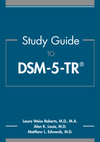
Roberts, Laura Weiss; Louie, Alan K.; Edwards, Matthew L.
American Psychiatric Association Publishing
, 2024
; English
; 602 Pages
The ultimate companion volume to DSM-5-TR, the Study Guide is designed to help clinical learners, teachers, and practitioners in psychiatry, psychology, and social work understand and apply diagnostic criteria. Medical students, residents, and fellows and trainees throughout the clinical neurosciences will find this text to be invaluable in developing their diagnostic abilities. Readers learn key clinical content through concise chapters and can assess their knowledge with more than 100 multiple choice questions.
The book is organized into three sections:
• Part I delves into foundational concepts of psychiatric diagnoses and explores how diagnostic assessment fits into the process of working therapeutically with patients. In this new edition, Part I includes a new chapter examining structural and cultural considerations in arriving at a diagnosis.
• Part II focuses on the diagnostic classes within DSM-5-TR and features clinical case vignettes with real-life complexity relevant to psychiatric diagnoses, diagnostic pearls that can be applied to daily clinical practice, and a self-assessment section with key concepts, questions for further discussion, patient cases, and Q&As.
• Part III includes more than 100 multiple choice questions with an answer key. These questions cover a range of diagnoses and patient presentations from across DSM-5-TR, helping readers review their learning and assess their skills.
Taking a patient-centered approach that complements the more disorder-centered organization of DSM-5-TR, this Study Guide provides context for DSM-5-TR's diagnoses while offering an array of interesting and memorable cases. Rich in thought-provoking detail and designed for repeated use, this is an indispensable guide for learners, educators, and clinicians.
eBook
Roberts, Laura Weiss; Louie, Alan K.; Edwards, Matthew L.
American Psychiatric Association Publishing
, 2024
; English
; 602 Pages
The ultimate companion volume to DSM-5-TR, the Study Guide is designed to help clinical learners, teachers, and practitioners in psychiatry, psychology, and social work understand and apply diagnostic criteria. Medical students, residents, and fellows and trainees throughout the clinical neurosciences will find this text to be invaluable in developing their diagnostic abilities. Readers learn key clinical content through concise chapters and can assess their knowledge with more than 100 multiple choice questions.
The book is organized into three sections:
• Part I delves into foundational concepts of psychiatric diagnoses and explores how diagnostic assessment fits into the process of working therapeutically with patients. In this new edition, Part I includes a new chapter examining structural and cultural considerations in arriving at a diagnosis.
• Part II focuses on the diagnostic classes within DSM-5-TR and features clinical case vignettes with real-life complexity relevant to psychiatric diagnoses, diagnostic pearls that can be applied to daily clinical practice, and a self-assessment section with key concepts, questions for further discussion, patient cases, and Q&As.
• Part III includes more than 100 multiple choice questions with an answer key. These questions cover a range of diagnoses and patient presentations from across DSM-5-TR, helping readers review their learning and assess their skills.
Taking a patient-centered approach that complements the more disorder-centered organization of DSM-5-TR, this Study Guide provides context for DSM-5-TR's diagnoses while offering an array of interesting and memorable cases. Rich in thought-provoking detail and designed for repeated use, this is an indispensable guide for learners, educators, and clinicians.
