





Navigation menu
Search
eBook
Today's learners, tomorrow's leaders : inspire your students to succeed in school and beyond
Poncio, Tisha; Butterworth, Rick
ISTE
, 2025
; English
; 178 Pages
Boost student autonomy and empowerment in the classroom to cultivate leadership skills and develop the entrepreneurs of the future. Every learner has the potential to be a leader – both inside and outside of the classroom. With this grounding principle in mind, this book guides middle and high school educators in incorporating student entrepreneurship and leadership into curriculum, fostering the skills students need to become proactive, socially responsible and versatile individuals equipped for academic achievement and prepared for lifelong success in a rapidly evolving world. The book shares strategies for teaching skills that are key to being a successful leader, such as applying creativity to teach adaptability and resilience, and encouraging thoughtful risk-taking to foster confident decision-making. Readers will learn how to guide their students in implementing digital and hands-on solutions to problems they encounter in a variety of contexts, connecting classroom learning to real-world scenarios. The book: Covers topics related to successful entrepreneurship, including the importance of teaching financial literacy, networking and relationship building. Shares how to help students demonstrate authentic learning with digital portfolios, and how to create digital assets and artifacts like student-led podcasts. Includes strategies and actionable ideas mapped to the authors’ Academic Excellence, Interpersonal Skills and Mastery of Self (AIM) Framework, the ISTE+ASCD Transformational Learning Principles and the ISTE Standards. Features insights from students and examples from teachers and entrepreneurs that demonstrate the strategies addressed in the book. Includes access to an online Playbook of Resources with downloadable templates, supplemental images and other instructional resources to support you in transforming your classroom. With guidance from inside and outside of the classroom, readers will come away with a rich assortment of ideas and resources to support students in developing the skills entrepreneurs view as critical for preparing students for the jobs of tomorrow. Audience: Secondary classroom educators
Poncio, Tisha; Butterworth, Rick
ISTE
, 2025
; English
; 178 Pages
Boost student autonomy and empowerment in the classroom to cultivate leadership skills and develop the entrepreneurs of the future. Every learner has the potential to be a leader – both inside and outside of the classroom. With this grounding principle in mind, this book guides middle and high school educators in incorporating student entrepreneurship and leadership into curriculum, fostering the skills students need to become proactive, socially responsible and versatile individuals equipped for academic achievement and prepared for lifelong success in a rapidly evolving world. The book shares strategies for teaching skills that are key to being a successful leader, such as applying creativity to teach adaptability and resilience, and encouraging thoughtful risk-taking to foster confident decision-making. Readers will learn how to guide their students in implementing digital and hands-on solutions to problems they encounter in a variety of contexts, connecting classroom learning to real-world scenarios. The book: Covers topics related to successful entrepreneurship, including the importance of teaching financial literacy, networking and relationship building. Shares how to help students demonstrate authentic learning with digital portfolios, and how to create digital assets and artifacts like student-led podcasts. Includes strategies and actionable ideas mapped to the authors’ Academic Excellence, Interpersonal Skills and Mastery of Self (AIM) Framework, the ISTE+ASCD Transformational Learning Principles and the ISTE Standards. Features insights from students and examples from teachers and entrepreneurs that demonstrate the strategies addressed in the book. Includes access to an online Playbook of Resources with downloadable templates, supplemental images and other instructional resources to support you in transforming your classroom. With guidance from inside and outside of the classroom, readers will come away with a rich assortment of ideas and resources to support students in developing the skills entrepreneurs view as critical for preparing students for the jobs of tomorrow. Audience: Secondary classroom educators
eBook
What the tech? : an educator's guide to AI, AR/VR, the metaverse and more
Poth, Rachelle Dene
ISTE
, 2025
; English
; 177 Pages
Help students navigate the world of emerging tech and cultivate a more engaged – and empowered – generation of learners who can drive positive change in the world. With artificial intelligence (AI), augmented reality (AR), virtual reality (VR), blockchain, non-fungible tokens (NFTs), the metaverse and Web3 being used in the world of work and education, students need opportunities to learn about, explore and create with emerging technologies. At the same time, educators need the right resources to stay current with the changes, and be able to provide the guidance students need to develop the skills that are essential today – and are likely to be in demand for the jobs of the future. Based on a course developed by the author, this book explores how to create impactful learning experiences so that students can apply their knowledge to real-world problems, collaborate with peers from around the world and develop critical thinking skills, while expanding their understanding of the world and their place in it. The book: Includes examples and activities to help educators who might feel overwhelmed by new technologies embrace these topics and bring new learning opportunities into their classes. Features vignettes from educators who have implemented some of the tools and practices shared in the book, highlighting their challenges, risks taken, failures experienced and the overall impact on learning. Offers a model in course creation by breaking down the author’s thought process in developing a course on emerging technology and her preparation for teaching it. Educators who are unfamiliar with the technologies discussed in this guide will walk away with practical takeaways to help students understand best practices for using these tools in school and beyond. Audience: Elementary and secondary educators and technology coaches
Poth, Rachelle Dene
ISTE
, 2025
; English
; 177 Pages
Help students navigate the world of emerging tech and cultivate a more engaged – and empowered – generation of learners who can drive positive change in the world. With artificial intelligence (AI), augmented reality (AR), virtual reality (VR), blockchain, non-fungible tokens (NFTs), the metaverse and Web3 being used in the world of work and education, students need opportunities to learn about, explore and create with emerging technologies. At the same time, educators need the right resources to stay current with the changes, and be able to provide the guidance students need to develop the skills that are essential today – and are likely to be in demand for the jobs of the future. Based on a course developed by the author, this book explores how to create impactful learning experiences so that students can apply their knowledge to real-world problems, collaborate with peers from around the world and develop critical thinking skills, while expanding their understanding of the world and their place in it. The book: Includes examples and activities to help educators who might feel overwhelmed by new technologies embrace these topics and bring new learning opportunities into their classes. Features vignettes from educators who have implemented some of the tools and practices shared in the book, highlighting their challenges, risks taken, failures experienced and the overall impact on learning. Offers a model in course creation by breaking down the author’s thought process in developing a course on emerging technology and her preparation for teaching it. Educators who are unfamiliar with the technologies discussed in this guide will walk away with practical takeaways to help students understand best practices for using these tools in school and beyond. Audience: Elementary and secondary educators and technology coaches

eBook
STEAM power : infusing art into your STEM curriculum, second edition
Needles, Tim
ISTE
, 2025
; English
; 241 Pages
Award-winning artist and educator Tim Needles shares new, creative ideas for blending arts and STEM learning in this expanded edition of his popular book. This accessible and engaging book is filled with ideas for STEAM learning, with more than 20 projects, best practices and insights from educators in the field. Technologies covered include artificial intelligence (AI), coding, robotics, 3D printing, virtual and augmented reality, photography, video, animation and digital drawing. The book also suggests ways to bring STEAM learning to the next level through collaboration, global learning, project-based learning, makerspaces and social-emotional learning (SEL). Building on the first edition, STEAM Power, Second Edition adds new chapters and projects; short creative challenges to promote instilling a STEAM mindset and topic exploration; and new sections on topics such as resilience, differentiation, coaching and STEAM for education leaders. This updated edition: • Includes new chapters on AI and new animation techniques. • Features eight new projects, including using AI to design a classroom of the future, environmental and community murals, and gamified animation. • Supports instructional coaches with guidance and connections to the ISTE Standards. • Updates tools and technologies that have changed since the first edition. With its friendly style and original drawings by the author, this practical guide gives emerging and seasoned educators fun and creative ways to invigorate their STEAM curriculum. Audience: Elementary and secondary educators and instructional coaches
Needles, Tim
ISTE
, 2025
; English
; 241 Pages
Award-winning artist and educator Tim Needles shares new, creative ideas for blending arts and STEM learning in this expanded edition of his popular book. This accessible and engaging book is filled with ideas for STEAM learning, with more than 20 projects, best practices and insights from educators in the field. Technologies covered include artificial intelligence (AI), coding, robotics, 3D printing, virtual and augmented reality, photography, video, animation and digital drawing. The book also suggests ways to bring STEAM learning to the next level through collaboration, global learning, project-based learning, makerspaces and social-emotional learning (SEL). Building on the first edition, STEAM Power, Second Edition adds new chapters and projects; short creative challenges to promote instilling a STEAM mindset and topic exploration; and new sections on topics such as resilience, differentiation, coaching and STEAM for education leaders. This updated edition: • Includes new chapters on AI and new animation techniques. • Features eight new projects, including using AI to design a classroom of the future, environmental and community murals, and gamified animation. • Supports instructional coaches with guidance and connections to the ISTE Standards. • Updates tools and technologies that have changed since the first edition. With its friendly style and original drawings by the author, this practical guide gives emerging and seasoned educators fun and creative ways to invigorate their STEAM curriculum. Audience: Elementary and secondary educators and instructional coaches
eBook
The national park classroom : a guide to designing project-based learning adventures
Fester, James
ISTE
, 2025
; English
; 194 Pages
Bring proven teaching methods from the national parks into your classroom to address common instructional challenges and improve student outcomes.
The U.S. National Park Service describes its parks as “America’s largest classrooms,” and for years, its rangers have been developing educational approaches that invite visitors to engage with their surroundings in active, participatory ways. This book shows classroom teachers how they can use these same methods, as well as a vast array of national park resources, to address common instructional challenges and boost student engagement and retention, integrate equity, improve college and career readiness, and more.
This book introduces the National Park Classroom (NPC) Framework, which enables teachers of all subject areas and grade levels to take advantage of national park resources and educational practices. Park rangers draw on pedagogies such as project-based learning, inquiry-based learning and culturally responsive teaching in their lessons, and the book shows how the NPC Framework can help classroom educators use those same approaches to design engaging units and projects for subjects like math, science and language arts. These lessons are anchored in the ISTE Standards and incorporate content standards such as the Next Generation Science Standards (NGSS) and Common Core State Standards (CCSS).
The book:
Highlights resources available to teachers and their students through the U.S. National Park System and other public land agencies across the globe.
Provides insights and tools for leading high-quality project-based learning.
Offers guidance for transitioning from a teacher-centered classroom to a learner-centered classroom.
Shows how to apply successful equity and inclusion practices from the national parks in classrooms and schools.
Provides examples of “place-conscious learning,” with strategies for connecting students to distant parks and other places.
With strategies backed by research and reflecting best practices from proven learning models, this book shows educators how to integrate the great outdoors and park-inspired learning into their classrooms to drive student engagement and agency, and better prepare students for college and beyond.
Fester, James
ISTE
, 2025
; English
; 194 Pages
Bring proven teaching methods from the national parks into your classroom to address common instructional challenges and improve student outcomes.
The U.S. National Park Service describes its parks as “America’s largest classrooms,” and for years, its rangers have been developing educational approaches that invite visitors to engage with their surroundings in active, participatory ways. This book shows classroom teachers how they can use these same methods, as well as a vast array of national park resources, to address common instructional challenges and boost student engagement and retention, integrate equity, improve college and career readiness, and more.
This book introduces the National Park Classroom (NPC) Framework, which enables teachers of all subject areas and grade levels to take advantage of national park resources and educational practices. Park rangers draw on pedagogies such as project-based learning, inquiry-based learning and culturally responsive teaching in their lessons, and the book shows how the NPC Framework can help classroom educators use those same approaches to design engaging units and projects for subjects like math, science and language arts. These lessons are anchored in the ISTE Standards and incorporate content standards such as the Next Generation Science Standards (NGSS) and Common Core State Standards (CCSS).
The book:
Highlights resources available to teachers and their students through the U.S. National Park System and other public land agencies across the globe.
Provides insights and tools for leading high-quality project-based learning.
Offers guidance for transitioning from a teacher-centered classroom to a learner-centered classroom.
Shows how to apply successful equity and inclusion practices from the national parks in classrooms and schools.
Provides examples of “place-conscious learning,” with strategies for connecting students to distant parks and other places.
With strategies backed by research and reflecting best practices from proven learning models, this book shows educators how to integrate the great outdoors and park-inspired learning into their classrooms to drive student engagement and agency, and better prepare students for college and beyond.
eBook
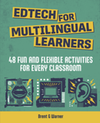
Edtech for multilingual learners : 48 fun and flexible activities for every classroom
Warner, Brent G.
ISTE
, 2025
; English
; 199 Pages
This friendly, accessible book offers dozens of creative activities to help teachers use edtech tools to engage their students in the language-learning process. Many teachers of multilingual students could improve learning outcomes through the use of education technology but don’t have time for in-depth professional development that would help them in their work in this area. This book fills that gap, offering guidance and inspiration to teachers of English as a Second or Other Language (ESOL), as well as to educators in other disciplines who work with multilingual learners. Organized by six key language acquisition skills (reading, writing, speaking, listening, vocabulary and pronunciation), each chapter features eight to twelve activities to engage students and facilitate language learning. The activities are tech-driven, yet flexible enough to adapt to the needs of different classroom settings. While some specific tools are discussed, the book shows teachers how to make the activities work with the technology they have available. The book: Includes links to ready-to-use slide decks for every activity. Offers a knowledgeable and thoughtful introduction to using AI with language learners. Features a backward-design pedagogical approach in which each activity has an end goal in mind, and is then developed to incorporate appropriate and effective tools. Is accompanied by the ELT Toolkit, a searchable online database of edtech tools for English language teachers, hosted by TESOL International Association. Includes connections to the ISTE Standards in every chapter. Based on research-backed practices, this book’s fun and practical approach will help busy teachers leverage technology to make the language-learning process more fun and effective for their students. Audience: Secondary and higher ed TESOL educators and teachers working with ESL students
Warner, Brent G.
ISTE
, 2025
; English
; 199 Pages
This friendly, accessible book offers dozens of creative activities to help teachers use edtech tools to engage their students in the language-learning process. Many teachers of multilingual students could improve learning outcomes through the use of education technology but don’t have time for in-depth professional development that would help them in their work in this area. This book fills that gap, offering guidance and inspiration to teachers of English as a Second or Other Language (ESOL), as well as to educators in other disciplines who work with multilingual learners. Organized by six key language acquisition skills (reading, writing, speaking, listening, vocabulary and pronunciation), each chapter features eight to twelve activities to engage students and facilitate language learning. The activities are tech-driven, yet flexible enough to adapt to the needs of different classroom settings. While some specific tools are discussed, the book shows teachers how to make the activities work with the technology they have available. The book: Includes links to ready-to-use slide decks for every activity. Offers a knowledgeable and thoughtful introduction to using AI with language learners. Features a backward-design pedagogical approach in which each activity has an end goal in mind, and is then developed to incorporate appropriate and effective tools. Is accompanied by the ELT Toolkit, a searchable online database of edtech tools for English language teachers, hosted by TESOL International Association. Includes connections to the ISTE Standards in every chapter. Based on research-backed practices, this book’s fun and practical approach will help busy teachers leverage technology to make the language-learning process more fun and effective for their students. Audience: Secondary and higher ed TESOL educators and teachers working with ESL students
eBook
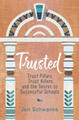
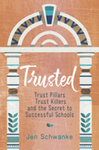
Trusted : trust pillars, trust killers, and the secret to successful schools
Schwanke, Jen
ASCD
, 2025
; English
; 176 Pages
How does a good principal become a trusted principal, and why is being trusted so important?
Neither personality nor behavior solely determines whether a principal will have the trust of teachers, students, and parents. As author and veteran educator Jen Schwanke explains in Trusted, principals continually build and reinforce trust through their relationships and experiences with these stakeholders. And if principals aren't mindful and deliberate, they can easily sabotage their own efforts.
In this candid guide for school leaders, Schwanke
• Explores just how powerful a force trust is within schools, where challenge and conflict are inevitable even during the best of times.
• Clarifies trust's positive effects on student outcomes, explains its reciprocal nature, and shares what principals can do to become more trustworthy and more "trust willing."
• Shares lessons learned from her own and other real-life principals' work to build trust, highlighting trust pillars, the habits and mindsets that support positive relationships, and trust killers, the often unconscious ways principals can undermine their work with those whose trust they need.
Whether you are a new or experienced school leader, you'll find explicit strategies you can use to build strong, trusting relationships with teachers, students, and parents. Combine them to create and maintain a school culture in which everyone feels valued, safe, and free to grow into the best versions of themselves.
Schwanke, Jen
ASCD
, 2025
; English
; 176 Pages
How does a good principal become a trusted principal, and why is being trusted so important?
Neither personality nor behavior solely determines whether a principal will have the trust of teachers, students, and parents. As author and veteran educator Jen Schwanke explains in Trusted, principals continually build and reinforce trust through their relationships and experiences with these stakeholders. And if principals aren't mindful and deliberate, they can easily sabotage their own efforts.
In this candid guide for school leaders, Schwanke
• Explores just how powerful a force trust is within schools, where challenge and conflict are inevitable even during the best of times.
• Clarifies trust's positive effects on student outcomes, explains its reciprocal nature, and shares what principals can do to become more trustworthy and more "trust willing."
• Shares lessons learned from her own and other real-life principals' work to build trust, highlighting trust pillars, the habits and mindsets that support positive relationships, and trust killers, the often unconscious ways principals can undermine their work with those whose trust they need.
Whether you are a new or experienced school leader, you'll find explicit strategies you can use to build strong, trusting relationships with teachers, students, and parents. Combine them to create and maintain a school culture in which everyone feels valued, safe, and free to grow into the best versions of themselves.
eBook
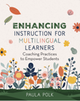
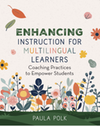
Enhancing instruction for multilingual learners : coaching practices to empower students
Polk, Paula
ASCD
, 2025
; English
; 176 Pages
Teachers need more help supporting multilingual learners, and the right coaching moves can make a difference.
Every year, the number of multilingual students grows, and despite best intentions, their learning can lag behind their peers. Leadership expert Paula Polk has identified intentional and inclusive coaching practices that will help teachers empower these students at every level.
Enhancing Instruction for Multilingual Learners is filled with tips and tools so that instructional leaders and coaches can
• Create a culture of partnership and communication based on core coaching beliefs.
• Prioritize the instructional principles that best build language proficiency.
• Implement the coaching strategies that fit the learning goal.
• Make sure teachers include students in their own learning.
• Guide teachers in planning content that meets students' needs.
• Develop teacher-centered coaching models that enhance their expertise.
A shift toward equity and inclusion cannot occur in isolation. It requires partnership—between coaches, teachers, and students. Learn which motivations, mindsets, and moves will make you an agent of change and empower teachers with the skills to ensure high-quality instruction that meets multilingual students' needs.
Polk, Paula
ASCD
, 2025
; English
; 176 Pages
Teachers need more help supporting multilingual learners, and the right coaching moves can make a difference.
Every year, the number of multilingual students grows, and despite best intentions, their learning can lag behind their peers. Leadership expert Paula Polk has identified intentional and inclusive coaching practices that will help teachers empower these students at every level.
Enhancing Instruction for Multilingual Learners is filled with tips and tools so that instructional leaders and coaches can
• Create a culture of partnership and communication based on core coaching beliefs.
• Prioritize the instructional principles that best build language proficiency.
• Implement the coaching strategies that fit the learning goal.
• Make sure teachers include students in their own learning.
• Guide teachers in planning content that meets students' needs.
• Develop teacher-centered coaching models that enhance their expertise.
A shift toward equity and inclusion cannot occur in isolation. It requires partnership—between coaches, teachers, and students. Learn which motivations, mindsets, and moves will make you an agent of change and empower teachers with the skills to ensure high-quality instruction that meets multilingual students' needs.
eBook
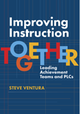
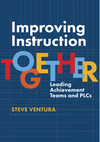
Improving instruction together : leading achievement teams and PLCs
Ventura, Steve
ASCD
, 2025
; English
; 162 Pages
Your instructional leadership can make the difference between isolated classroom success and systematic, collective achievement.
Strong instructional leadership is the cornerstone of student success. But what truly makes an instructional leader effective, and how can you foster a collaborative environment where teacher teams thrive? In Improving Instruction Together, Steve Ventura draws on years of experience and research-based strategies to demystify the often-challenging role of educational leadership. Through practical frameworks, field-tested protocols, and real-world examples, he equips you with the tools to build your collective: a unified community of educators aligned in their vision of success.
This powerful resource shows you how to
• Cultivate a leadership mindset grounded in clarity, consistency, and accountability.
• Guide teacher teams and professional learning communities (PLCs) with purpose and precision.
• Balance people-centered practices with essential organizational structures.
• Maximize the indicators of effective collaboration to make your teams more successful.
• Foster a culture of reflection that drives continuous improvement.
Ventura provides a sustainable road map for implementation that emphasizes specific leadership and coaching actions. Whether you're a principal, an assistant principal, an instructional coach, or a teacher leader, you'll find practical guidance to elevate your impact and amplify student success. The path to academic excellence can be challenging, but with the right leadership approach, it's paved with exciting opportunities for transformation.
Ventura, Steve
ASCD
, 2025
; English
; 162 Pages
Your instructional leadership can make the difference between isolated classroom success and systematic, collective achievement.
Strong instructional leadership is the cornerstone of student success. But what truly makes an instructional leader effective, and how can you foster a collaborative environment where teacher teams thrive? In Improving Instruction Together, Steve Ventura draws on years of experience and research-based strategies to demystify the often-challenging role of educational leadership. Through practical frameworks, field-tested protocols, and real-world examples, he equips you with the tools to build your collective: a unified community of educators aligned in their vision of success.
This powerful resource shows you how to
• Cultivate a leadership mindset grounded in clarity, consistency, and accountability.
• Guide teacher teams and professional learning communities (PLCs) with purpose and precision.
• Balance people-centered practices with essential organizational structures.
• Maximize the indicators of effective collaboration to make your teams more successful.
• Foster a culture of reflection that drives continuous improvement.
Ventura provides a sustainable road map for implementation that emphasizes specific leadership and coaching actions. Whether you're a principal, an assistant principal, an instructional coach, or a teacher leader, you'll find practical guidance to elevate your impact and amplify student success. The path to academic excellence can be challenging, but with the right leadership approach, it's paved with exciting opportunities for transformation.
eBook
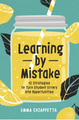
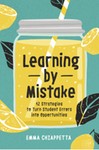
Learning by mistake : 12 strategies to turn student errors into opportunities
Chiappetta, Emma
ASCD
, 2025
; English
; 144 Pages
When students experience mistakes as opportunities—rather than obstacles—they participate more, think more creatively, and develop resilience that extends far beyond the classroom. In Learning by Mistake, veteran educator Emma Chiappetta reveals how mistakes prime the brain for deeper learning.
Drawing on current neuroscience research and her own classroom experience, Chiappetta provides 12 practical, field-tested strategies that help build a positive "mistake culture" where errors are valued stepping stones to success.
This accessible guide shows you how to
• Create classroom environments where students feel safe to take intellectual risks.
• Phrase and deliver feedback in a way that builds student confidence.
• Design activities that normalize mistake-making and turn errors into learning opportunities.
• Help students analyze their mistakes and develop metacognitive skills.
• Transform assessment practices to celebrate growth rather than punish imperfection.
From "wrong answers only" icebreakers to collaborative mistake analysis, mistake meetings, and mistake journals, these ready-to-implement strategies work across all grade levels and subject areas.
Whether you're working with apprehensive students to deepen their learning or simply looking to create a more supportive classroom culture, Learning by Mistake provides the tools you need to turn mistake anxiety into curiosity and growth.
Chiappetta, Emma
ASCD
, 2025
; English
; 144 Pages
When students experience mistakes as opportunities—rather than obstacles—they participate more, think more creatively, and develop resilience that extends far beyond the classroom. In Learning by Mistake, veteran educator Emma Chiappetta reveals how mistakes prime the brain for deeper learning.
Drawing on current neuroscience research and her own classroom experience, Chiappetta provides 12 practical, field-tested strategies that help build a positive "mistake culture" where errors are valued stepping stones to success.
This accessible guide shows you how to
• Create classroom environments where students feel safe to take intellectual risks.
• Phrase and deliver feedback in a way that builds student confidence.
• Design activities that normalize mistake-making and turn errors into learning opportunities.
• Help students analyze their mistakes and develop metacognitive skills.
• Transform assessment practices to celebrate growth rather than punish imperfection.
From "wrong answers only" icebreakers to collaborative mistake analysis, mistake meetings, and mistake journals, these ready-to-implement strategies work across all grade levels and subject areas.
Whether you're working with apprehensive students to deepen their learning or simply looking to create a more supportive classroom culture, Learning by Mistake provides the tools you need to turn mistake anxiety into curiosity and growth.
eBook
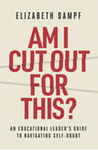
Am I cut out for this? : an educational leader’s guide to navigating self-doubt
Dampf, Elizabeth
ASCD
, 2025
; English
; 160 Pages
A practical guide to helping school leaders overcome those discomforting self-doubts.
"It's not that grad school was useless, exactly. It's just that I have a few notes. Sure, learning about leadership theory was cool, but the syllabus seemed to be missing a few things. Where was the seminar on handling an angry mob? On working with your bullying boss? On promoting someone else's unpopular plan?"
As a school leader, you know how hard the job is. Even the most talented and best prepared of us sometimes struggle to meet the complex, conflicting demands of stakeholders and serve our students and staff the way we want to.
Author and veteran school administrator Elizabeth Dampf is here to help. In Am I Cut Out for This? she reassures school leaders that
• Self-doubt is a natural response to daily encounters with demanding situations.
• You're not alone, even though few administrators are comfortable openly admitting to uncertainty.
• You can prevail by analyzing your doubts and strategizing counterattacks.
Dampf presents seven familiar self-doubting archetypes—the jittery innovator, the empty empathizer, the punching bag, the struggling salesperson, the mob mollifier, the short straw, and the instructional impostor. In each scenario, she "debriefs the doubt" by exploring the complex challenges the leader faces, identifies pitfalls to avoid in addressing such circumstances, and suggests ways to navigate a path to success.
Whether you are new to the profession or an experienced administrator, Am I Cut Out for This? is the tool you need to affirm, support, and inspire you to continue your leadership journey with greater skill and confidence.
Dampf, Elizabeth
ASCD
, 2025
; English
; 160 Pages
A practical guide to helping school leaders overcome those discomforting self-doubts.
"It's not that grad school was useless, exactly. It's just that I have a few notes. Sure, learning about leadership theory was cool, but the syllabus seemed to be missing a few things. Where was the seminar on handling an angry mob? On working with your bullying boss? On promoting someone else's unpopular plan?"
As a school leader, you know how hard the job is. Even the most talented and best prepared of us sometimes struggle to meet the complex, conflicting demands of stakeholders and serve our students and staff the way we want to.
Author and veteran school administrator Elizabeth Dampf is here to help. In Am I Cut Out for This? she reassures school leaders that
• Self-doubt is a natural response to daily encounters with demanding situations.
• You're not alone, even though few administrators are comfortable openly admitting to uncertainty.
• You can prevail by analyzing your doubts and strategizing counterattacks.
Dampf presents seven familiar self-doubting archetypes—the jittery innovator, the empty empathizer, the punching bag, the struggling salesperson, the mob mollifier, the short straw, and the instructional impostor. In each scenario, she "debriefs the doubt" by exploring the complex challenges the leader faces, identifies pitfalls to avoid in addressing such circumstances, and suggests ways to navigate a path to success.
Whether you are new to the profession or an experienced administrator, Am I Cut Out for This? is the tool you need to affirm, support, and inspire you to continue your leadership journey with greater skill and confidence.
