



Navigation menu
Search
Databases
All Databases
Audiobook
Red Sky Morning: The Epic True Story of Texas Ranger Company F
Pappalardo, Joe; Abell, Chris
Blackstone Publishing
, 2022
; English
The explosive and bloody true history of Texas Rangers Company F, hard men who risked their lives to bring justice to a lawless frontier
Between 1886 and 1888, Sgt. James Brooks of Texas Ranger Company F was engaged in three fatal gunfights, endured disfiguring bullet wounds, engaged in countless manhunts, was convicted for second-degree murder, and rattled Washington, DC, with a request for a pardon from the US president. His story anchors the tale of Joe Pappalardo's Red Sky Morning, an epic saga of lawmen and criminals set in Texas during the waning years of the "Old West."
Alongside Brooks are the Rangers of Company F, who range from a pious teetotaller to a cowboy fleeing retribution for killing a man. They are all led by Captain William Scott, who cut his teeth as a freelance undercover informant but is now facing the end of his Ranger career. Company F hunts criminals across Texas and beyond, killing them as needed, and are confident they can bring anyone to "Ranger justice." But Brooks's men may have met their match in the Conner family, East Texas master hunters and jailbreakers who are wanted for their part in a bloody family feud.
The full story of Company F's showdown with the Conner family is finally being told, with long-dead voices being heard for the first time. This truly hidden history paints the grim picture of neighbors and relatives becoming snitches and bounty hunters, and a company of Texas Rangers who waded into the conflict only to find themselves over their heads—and in the fight of their lives.
Pappalardo, Joe; Abell, Chris
Blackstone Publishing
, 2022
; English
The explosive and bloody true history of Texas Rangers Company F, hard men who risked their lives to bring justice to a lawless frontier
Between 1886 and 1888, Sgt. James Brooks of Texas Ranger Company F was engaged in three fatal gunfights, endured disfiguring bullet wounds, engaged in countless manhunts, was convicted for second-degree murder, and rattled Washington, DC, with a request for a pardon from the US president. His story anchors the tale of Joe Pappalardo's Red Sky Morning, an epic saga of lawmen and criminals set in Texas during the waning years of the "Old West."
Alongside Brooks are the Rangers of Company F, who range from a pious teetotaller to a cowboy fleeing retribution for killing a man. They are all led by Captain William Scott, who cut his teeth as a freelance undercover informant but is now facing the end of his Ranger career. Company F hunts criminals across Texas and beyond, killing them as needed, and are confident they can bring anyone to "Ranger justice." But Brooks's men may have met their match in the Conner family, East Texas master hunters and jailbreakers who are wanted for their part in a bloody family feud.
The full story of Company F's showdown with the Conner family is finally being told, with long-dead voices being heard for the first time. This truly hidden history paints the grim picture of neighbors and relatives becoming snitches and bounty hunters, and a company of Texas Rangers who waded into the conflict only to find themselves over their heads—and in the fight of their lives.
eBook
Meehan, Robert R.; Do, Kathleen Meehan
Excelsior Editions
, 2022
; English
; 284 Pages
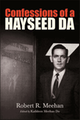
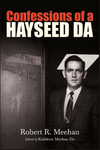
In the 1960s, the small county of Rockland, north of New York City, went through a period of rapid expansion. Although beneficial, this explosive growth also led to the unwelcome encroachment of crime like the county had never seen before. Enter Robert Meehan, a young, idealistic defense attorney who hatched an impossible scheme to become the first Democrat elected District Attorney of Rockland County in more than half a century. In this compelling page-turner, Meehan takes us through his journey from naive do-gooder to seasoned prosecutor, investigating and solving heinous crimes and surviving an attempt on his life that upended his family's world. This manuscript, completed in 1978, was discovered by Meehan's daughter years after his passing. She has edited the text, researched cases cited by her father, and interviewed some of the key players whose names appear within these pages.
Meehan, Robert R.; Do, Kathleen Meehan
Excelsior Editions
, 2022
; English
; 284 Pages
In the 1960s, the small county of Rockland, north of New York City, went through a period of rapid expansion. Although beneficial, this explosive growth also led to the unwelcome encroachment of crime like the county had never seen before. Enter Robert Meehan, a young, idealistic defense attorney who hatched an impossible scheme to become the first Democrat elected District Attorney of Rockland County in more than half a century. In this compelling page-turner, Meehan takes us through his journey from naive do-gooder to seasoned prosecutor, investigating and solving heinous crimes and surviving an attempt on his life that upended his family's world. This manuscript, completed in 1978, was discovered by Meehan's daughter years after his passing. She has edited the text, researched cases cited by her father, and interviewed some of the key players whose names appear within these pages.
eBook
Kenda, Joe
Blackstone Publishing
, 2021
; English
; 224 Pages
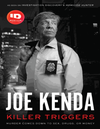
The most common triggers for homicide are fear, rage, revenge, money, lust, and, more rarely, sheer madness. This isn't an exact science, of course. Any given murder can have multiple triggers. Sex and revenge seem to be common partners in crime. Rage, money, and revenge make for a dangerous trifecta of triggers, as well.
This book offers my memories of homicide cases that I investigated or oversaw. In each case, I examine the trigger that led to death. I chose this theme for the book because even though the why of a murder case may not be critical in an investigation, it can sometimes lead us to the killer.
And even if we solve a case without knowing the trigger, the why still intrigues us, disrupting our dreams and lingering in our minds, perhaps because each of us fears the demons that lie within our own psyche—the triggers waiting to be pulled.
eBook
Kenda, Joe
Blackstone Publishing
, 2021
; English
; 224 Pages
The most common triggers for homicide are fear, rage, revenge, money, lust, and, more rarely, sheer madness. This isn't an exact science, of course. Any given murder can have multiple triggers. Sex and revenge seem to be common partners in crime. Rage, money, and revenge make for a dangerous trifecta of triggers, as well.
This book offers my memories of homicide cases that I investigated or oversaw. In each case, I examine the trigger that led to death. I chose this theme for the book because even though the why of a murder case may not be critical in an investigation, it can sometimes lead us to the killer.
And even if we solve a case without knowing the trigger, the why still intrigues us, disrupting our dreams and lingering in our minds, perhaps because each of us fears the demons that lie within our own psyche—the triggers waiting to be pulled.

Audiobook
Scared Fearless: An Unlikely Agent in the US Secret Service
Childers, Kathryn Clark; Almand, Pamela
Blackstone Publishing
, 2021
; English
The era: the 1970s. The location: an airplane en route to Washington, DC. Kathryn Clark Childers chats with a fellow passenger.
"Are you visiting?" her seatmate asked."No, I work there," Childers said, pointing out the window to the White House, which had just come into view. "I'm a Secret Service agent." "Really? I didn't know they let girls pull that duty. I'm not really sure what you do.""It's a secret."
Recruited to the Secret Service as one of its first five female agents, Childers would surprise many people, including herself. Her duties included undercover work, protective details for Jacqueline Kennedy and her children, and attending state dinners where she met world leaders, including Prince Juan Carlos of Spain. In addition, she had to figure out how to disguise the .357 Magnum revolver that she carried at all times, whether wearing jogging clothes, a business suit, or an evening gown. It was 1970, and the Secret Service, like most public and private organizations, struggled—sometimes unsuccessfully—with the challenges of incorporating a rising tide of women into government service and other professional workplaces.
Written in a lighthearted but highly informative style, Scared Fearless details the obstacles and the joys, the moments of high adventure, and the laughable fashion dilemmas that were part of Childers's groundbreaking role. Through everything that happened, Childers says she followed her father's admonition: "Just do it scared."
Childers, Kathryn Clark; Almand, Pamela
Blackstone Publishing
, 2021
; English
The era: the 1970s. The location: an airplane en route to Washington, DC. Kathryn Clark Childers chats with a fellow passenger.
"Are you visiting?" her seatmate asked."No, I work there," Childers said, pointing out the window to the White House, which had just come into view. "I'm a Secret Service agent." "Really? I didn't know they let girls pull that duty. I'm not really sure what you do.""It's a secret."
Recruited to the Secret Service as one of its first five female agents, Childers would surprise many people, including herself. Her duties included undercover work, protective details for Jacqueline Kennedy and her children, and attending state dinners where she met world leaders, including Prince Juan Carlos of Spain. In addition, she had to figure out how to disguise the .357 Magnum revolver that she carried at all times, whether wearing jogging clothes, a business suit, or an evening gown. It was 1970, and the Secret Service, like most public and private organizations, struggled—sometimes unsuccessfully—with the challenges of incorporating a rising tide of women into government service and other professional workplaces.
Written in a lighthearted but highly informative style, Scared Fearless details the obstacles and the joys, the moments of high adventure, and the laughable fashion dilemmas that were part of Childers's groundbreaking role. Through everything that happened, Childers says she followed her father's admonition: "Just do it scared."

Audiobook
Kenda, Joe
Blackstone Publishing
, 2021
; English
The most common triggers for homicide are fear, rage, revenge, money, lust, and, more rarely, sheer madness. This isn't an exact science, of course. Any given murder can have multiple triggers. Sex and revenge seem to be common partners in crime. Rage, money, and revenge make for a dangerous trifecta of triggers, as well.
This book offers my memories of homicide cases that I investigated or oversaw. In each case, I examine the trigger that led to death. I chose this theme for the book because even though the why of a murder case may not be critical in an investigation, it can sometimes lead us to the killer.
And even if we solve a case without knowing the trigger, the why still intrigues us, disrupting our dreams and lingering in our minds, perhaps because each of us fears the demons that lie within our own psyche—the triggers waiting to be pulled.

Audiobook
Kenda, Joe
Blackstone Publishing
, 2021
; English
The most common triggers for homicide are fear, rage, revenge, money, lust, and, more rarely, sheer madness. This isn't an exact science, of course. Any given murder can have multiple triggers. Sex and revenge seem to be common partners in crime. Rage, money, and revenge make for a dangerous trifecta of triggers, as well.
This book offers my memories of homicide cases that I investigated or oversaw. In each case, I examine the trigger that led to death. I chose this theme for the book because even though the why of a murder case may not be critical in an investigation, it can sometimes lead us to the killer.
And even if we solve a case without knowing the trigger, the why still intrigues us, disrupting our dreams and lingering in our minds, perhaps because each of us fears the demons that lie within our own psyche—the triggers waiting to be pulled.
eBook
Langston, Ben
Swallow Press
, 2020
; English
; 218 Pages
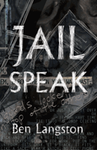
Call me what you want—corrections officer, C.O., guard, jailcop, turnkey—I helped keep people there against their will. For this, the jail rewarded me with food.” When Ben Langston took a job at the State Correctional Institute at Rockview, it was because there were few other options. At his previous job—putting labels on water bottles—he did not have cups of human waste thrown in his face. He did not have to finger sweaty armpits in search of weapons. There were no threats against his life. But the jail paid better. Jail Speak is a memoir written from a guard’s perspective. It’s about the grind, about dehumanization, drama, punishment, and the cycles of harm perpetrated by the prison industry. It’s about masculinity and conformity and emotional detachment. It’s a look at the inside that you didn’t want to know about, and it’s for mature audiences only. Know your limits.
eBook
Langston, Ben
Swallow Press
, 2020
; English
; 218 Pages
Call me what you want—corrections officer, C.O., guard, jailcop, turnkey—I helped keep people there against their will. For this, the jail rewarded me with food.” When Ben Langston took a job at the State Correctional Institute at Rockview, it was because there were few other options. At his previous job—putting labels on water bottles—he did not have cups of human waste thrown in his face. He did not have to finger sweaty armpits in search of weapons. There were no threats against his life. But the jail paid better. Jail Speak is a memoir written from a guard’s perspective. It’s about the grind, about dehumanization, drama, punishment, and the cycles of harm perpetrated by the prison industry. It’s about masculinity and conformity and emotional detachment. It’s a look at the inside that you didn’t want to know about, and it’s for mature audiences only. Know your limits.

Audiobook
Cefalu, Vincent A.; Taylorson, Tom
Blackstone Publishing
, 2019
; English
Get ready to infiltrate the dangerous, secret world of criminals and cover identities by way of the Bureau of Alcohol, Tobacco, Firearms, and Explosives (ATF), where the world's greatest undercover agents are known as RatSnakes.
RatSnakes are rarely, if ever, visible to the public that they move among and risk their lives to protect. In fact, thanks to their cover personas, they are often assumed to be members of the clandestine criminal world that they investigate. Real-life undercover work is a far cry from the sexy, candy-colored world seen in Hollywood movies. Only those who are strong and clever enough will get inside and survive.
Vincent A. Cefalu would know. He spent thirty years as an ATF undercover operative, in assignments ranging from the Symbionese Liberation Army to Asian organized crime. He has infiltrated notorious outlaw motorcycle gangs as well as splinter groups of the Ku Klux Klan. In RatSnakes, he provides a transparent look at the organization and the operatives with whom he risked his life.
Part field guide, part heart-pounding thrill ride, RatSnakes takes listeners on a tour of what it's like to confront death on a daily basis. En route, Cefalu gives us a look at the on-the-job techniques of kicking in doors, orchestrating "street theater" to ensnare criminals, and making high-stakes gun buys. His irreverent, explicit stories from the inside are a mix of danger and unexpected hilarity that will have listeners laughing one minute and then biting their nails when things break bad.
Immersive and brutal, RatSnakes offers an in-depth and eye-opening look into the lives of an elite group of men and women who volunteer to do things most couldn't and wouldn't stomach. Civilians with common sense and good judgment run from danger, while RatSnakes sprint toward it—smiling.
Cefalu, Vincent A.; Taylorson, Tom
Blackstone Publishing
, 2019
; English
Get ready to infiltrate the dangerous, secret world of criminals and cover identities by way of the Bureau of Alcohol, Tobacco, Firearms, and Explosives (ATF), where the world's greatest undercover agents are known as RatSnakes.
RatSnakes are rarely, if ever, visible to the public that they move among and risk their lives to protect. In fact, thanks to their cover personas, they are often assumed to be members of the clandestine criminal world that they investigate. Real-life undercover work is a far cry from the sexy, candy-colored world seen in Hollywood movies. Only those who are strong and clever enough will get inside and survive.
Vincent A. Cefalu would know. He spent thirty years as an ATF undercover operative, in assignments ranging from the Symbionese Liberation Army to Asian organized crime. He has infiltrated notorious outlaw motorcycle gangs as well as splinter groups of the Ku Klux Klan. In RatSnakes, he provides a transparent look at the organization and the operatives with whom he risked his life.
Part field guide, part heart-pounding thrill ride, RatSnakes takes listeners on a tour of what it's like to confront death on a daily basis. En route, Cefalu gives us a look at the on-the-job techniques of kicking in doors, orchestrating "street theater" to ensnare criminals, and making high-stakes gun buys. His irreverent, explicit stories from the inside are a mix of danger and unexpected hilarity that will have listeners laughing one minute and then biting their nails when things break bad.
Immersive and brutal, RatSnakes offers an in-depth and eye-opening look into the lives of an elite group of men and women who volunteer to do things most couldn't and wouldn't stomach. Civilians with common sense and good judgment run from danger, while RatSnakes sprint toward it—smiling.
eBook
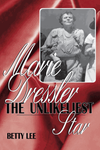
Marie Dressier : the unlikeliest star
Lee, Betty
The University Press of Kentucky
, 2014
; English
; 346 Pages
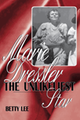
"She was homely, overweight, and over the hill, but there was a time when Marie Dressler outdrew such cinema sex symbols as Garbo, Dietrich, and Harlow. To movie audiences suffering the hardships of the Great Depression, she was Everywoman, and in the early 1930s her charming mixture of pathos and comedy packed movie theaters everywhere. In the early days of the century, Dressler was constantly in the headlines. She took up the cause of the "ponies" in the chorus lines, earning them better pay and benefits. She played in productions organized to raise money for the women's suffrage movement. And during World War I she claimed she sold more liberty bonds than any other individual in the United States. Dressler was an astute observer of public mood and taste. When she was lucky enough to find work in the newly minted Hollywood talkies, she grabbed the brass ring with fierce enthusiasm, even making three films in the year before her death, when she was so sick she had to rest between scenes on a sofa just out of camera range. The two-hundred-pound actress's remarkable stage presence captivated audiences even though her roles were not Hollywood beauties. She played tough, practical characters such as the old wharf rat in Anna Christie (1930), the waterfront innkeeper in Min and Bill (1931) -- for which she won the Academy Award for best actress -- the aging housekeeper in Emma (1932), and the title role in Tugboat Annie (1933). She spoke honestly to her audiences, and troubled people in the comforting darkness of the Depression-era movie theaters embraced her as one of themselves.
Lee, Betty
The University Press of Kentucky
, 2014
; English
; 346 Pages
"She was homely, overweight, and over the hill, but there was a time when Marie Dressler outdrew such cinema sex symbols as Garbo, Dietrich, and Harlow. To movie audiences suffering the hardships of the Great Depression, she was Everywoman, and in the early 1930s her charming mixture of pathos and comedy packed movie theaters everywhere. In the early days of the century, Dressler was constantly in the headlines. She took up the cause of the "ponies" in the chorus lines, earning them better pay and benefits. She played in productions organized to raise money for the women's suffrage movement. And during World War I she claimed she sold more liberty bonds than any other individual in the United States. Dressler was an astute observer of public mood and taste. When she was lucky enough to find work in the newly minted Hollywood talkies, she grabbed the brass ring with fierce enthusiasm, even making three films in the year before her death, when she was so sick she had to rest between scenes on a sofa just out of camera range. The two-hundred-pound actress's remarkable stage presence captivated audiences even though her roles were not Hollywood beauties. She played tough, practical characters such as the old wharf rat in Anna Christie (1930), the waterfront innkeeper in Min and Bill (1931) -- for which she won the Academy Award for best actress -- the aging housekeeper in Emma (1932), and the title role in Tugboat Annie (1933). She spoke honestly to her audiences, and troubled people in the comforting darkness of the Depression-era movie theaters embraced her as one of themselves.
eBook
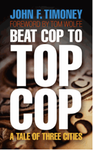
Beat cop to top cop : a tale of three cities
Timoney, John F.
University of Pennsylvania Press
, 2011
; English
; 353 Pages
Born in a rough-and-tumble neighborhood of Dublin, John F. Timoney moved to New York with his family in 1961. Not long after graduating from high school in the Bronx, he entered the New York City Police Department, quickly rising through the ranks to become the youngest four-star chief in the history of that department. Timoney and the rest of the command assembled under Police Commissioner Bill Bratton implemented a number of radical strategies, protocols, and management systems, including CompStat, that led to historic declines in nearly every category of crime. In 1998, Mayor Ed Rendell of Philadelphia hired Timoney as police commissioner to tackle the city's seemingly intractable violent crime rate. Philadelphia became the great laboratory experiment: Could the systems and policies employed in New York work elsewhere? Under Timoney's leadership, crime declined in every major category, especially homicide. A similar decrease not only in crime but also in corruption marked Timoney's tenure in his next position as police chief of Miami, a post he held from 2003 to January 2010. Beat Cop to Top Cop: A Tale of Three Cities documents Timoney's rise, from his days as a tough street cop in the South Bronx to his role as police chief of Miami. This fast-moving narrative by the man Esquire magazine named "America's Top Cop" offers a blueprint for crime prevention through first-person accounts from the street, detailing how big-city chiefs and their teams can tame even the most unruly cities. Policy makers and academicians have long embraced the view that the police could do little to affect crime in the long term. John Timoney has devoted his career to dispelling this notion. Beat Cop to Top Cop tells us how.
Timoney, John F.
University of Pennsylvania Press
, 2011
; English
; 353 Pages
Born in a rough-and-tumble neighborhood of Dublin, John F. Timoney moved to New York with his family in 1961. Not long after graduating from high school in the Bronx, he entered the New York City Police Department, quickly rising through the ranks to become the youngest four-star chief in the history of that department. Timoney and the rest of the command assembled under Police Commissioner Bill Bratton implemented a number of radical strategies, protocols, and management systems, including CompStat, that led to historic declines in nearly every category of crime. In 1998, Mayor Ed Rendell of Philadelphia hired Timoney as police commissioner to tackle the city's seemingly intractable violent crime rate. Philadelphia became the great laboratory experiment: Could the systems and policies employed in New York work elsewhere? Under Timoney's leadership, crime declined in every major category, especially homicide. A similar decrease not only in crime but also in corruption marked Timoney's tenure in his next position as police chief of Miami, a post he held from 2003 to January 2010. Beat Cop to Top Cop: A Tale of Three Cities documents Timoney's rise, from his days as a tough street cop in the South Bronx to his role as police chief of Miami. This fast-moving narrative by the man Esquire magazine named "America's Top Cop" offers a blueprint for crime prevention through first-person accounts from the street, detailing how big-city chiefs and their teams can tame even the most unruly cities. Policy makers and academicians have long embraced the view that the police could do little to affect crime in the long term. John Timoney has devoted his career to dispelling this notion. Beat Cop to Top Cop tells us how.

Audiobook
Jackson, H. Joaquin; Wilkinson, David Marion; Linn, Rex
Blackstone Publishing
, 2005
; English
When his picture appeared on the cover ofTexas Monthly, Joaquin Jackson became the icon of the modern Texas Rangers. He was the inspiration for Nick Nolte's character in the movieExtreme Prejudice, and he even had a speaking part of his own inThe Good Old Boyswith Tommy Lee Jones. But the role that Jackson has always played the best is that of the man who wears the silver badge cut from a Mexican cinco peso coin—a working Texas Ranger.
Legend says that one Ranger is all it takes to put down lawlessness and restore the peace—one riot, one Ranger. In this adventure-filled memoir, Joaquin Jackson recalls what is was like to be the Ranger who responded when riots threatened, violence erupted, and criminals needed to be brought to justice across a wide swath of the Texas-Mexico border from 1966 to 1993.
Jackson's incredible, dramatic story is part of the larger story of the Texas Rangers becoming a modern law enforcement agency that serves all the people of the state.

Audiobook
Jackson, H. Joaquin; Wilkinson, David Marion; Linn, Rex
Blackstone Publishing
, 2005
; English
When his picture appeared on the cover ofTexas Monthly, Joaquin Jackson became the icon of the modern Texas Rangers. He was the inspiration for Nick Nolte's character in the movieExtreme Prejudice, and he even had a speaking part of his own inThe Good Old Boyswith Tommy Lee Jones. But the role that Jackson has always played the best is that of the man who wears the silver badge cut from a Mexican cinco peso coin—a working Texas Ranger.
Legend says that one Ranger is all it takes to put down lawlessness and restore the peace—one riot, one Ranger. In this adventure-filled memoir, Joaquin Jackson recalls what is was like to be the Ranger who responded when riots threatened, violence erupted, and criminals needed to be brought to justice across a wide swath of the Texas-Mexico border from 1966 to 1993.
Jackson's incredible, dramatic story is part of the larger story of the Texas Rangers becoming a modern law enforcement agency that serves all the people of the state.
