


Navigation menu
Search
Databases
All Databases
eBook
Things Japanese: everyday objects of exceptional beauty and significance
Bornoff, Nicholas
Periplus Editions
, 2014
; English
; 147 Pages
Traditional Japanese design imbues objects with a sense of history and artistry that easily reaches across cultural boundaries. In Things Japanese: Everyday Objects of Extraordinary Beauty and Significance, author Nicholas Bornoff and photographer Michael Freeman examine over 60 traditional objects that are uniquely Japanese, deftly illustrating their beauty and significance.
Beautifully crafted samurai swords
Elegant wooden tansu chests
Elaborate tea ceremony implements
Exquisitely carved netsuke toggles
Fabulous silk-and-gold embroidered kimonos
Each item is described in loving detail alongside lovely full-color photographs that highlight the great artistry and craftsmanship in everyday items used by real people in traditional Japan. Things Japanese is the perfect book for Japanese antique collectors or anyone interested in Japanese art and the culture and history of Japan.
Bornoff, Nicholas
Periplus Editions
, 2014
; English
; 147 Pages
Traditional Japanese design imbues objects with a sense of history and artistry that easily reaches across cultural boundaries. In Things Japanese: Everyday Objects of Extraordinary Beauty and Significance, author Nicholas Bornoff and photographer Michael Freeman examine over 60 traditional objects that are uniquely Japanese, deftly illustrating their beauty and significance.
Beautifully crafted samurai swords
Elegant wooden tansu chests
Elaborate tea ceremony implements
Exquisitely carved netsuke toggles
Fabulous silk-and-gold embroidered kimonos
Each item is described in loving detail alongside lovely full-color photographs that highlight the great artistry and craftsmanship in everyday items used by real people in traditional Japan. Things Japanese is the perfect book for Japanese antique collectors or anyone interested in Japanese art and the culture and history of Japan.
eBook
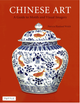
Chinese art : a guide to motifs and visual imagery
Welch, Patricia Bjaaland
Tuttle Publishing
, 2013
; English
; 293 Pages
With over 630 striking color photos and illustrations, this Chinese art guide focuses on the rich tapestry of symbolism which makes up the basis of traditional Chinese art.
Chinese Art: A Guide to Motifs and Visual Imagery includes detailed commentary and historical background information for the images that continuously reappear in the arts of China, including specific plants and animals, religious beings, mortals and inanimate objects. The book thoroughly illuminates the origins, common usages and diverse applications of popular Chinese symbols in a tone that is both engaging and authoritative.
Chinese Art: A Guide to Motifs and Visual Imagery is an essential reference for collectors, museum-goers, guides, students and anyone else with a serious interest in the culture and history of China.
Welch, Patricia Bjaaland
Tuttle Publishing
, 2013
; English
; 293 Pages
With over 630 striking color photos and illustrations, this Chinese art guide focuses on the rich tapestry of symbolism which makes up the basis of traditional Chinese art.
Chinese Art: A Guide to Motifs and Visual Imagery includes detailed commentary and historical background information for the images that continuously reappear in the arts of China, including specific plants and animals, religious beings, mortals and inanimate objects. The book thoroughly illuminates the origins, common usages and diverse applications of popular Chinese symbols in a tone that is both engaging and authoritative.
Chinese Art: A Guide to Motifs and Visual Imagery is an essential reference for collectors, museum-goers, guides, students and anyone else with a serious interest in the culture and history of China.
eBook
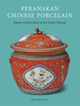
Peranakan Chinese porcelain : vibrant festive ware of the Straits Chinese
Ming-Yuet, Kee; Seng, Lim Hock
Tuttle Publishing
, 2012
; English
; 259 Pages
With over 800 unique photographs, this Chinese art book is a feast for the eyes.
Produced exclusively for wealthy Chinese communities along the Strait of Malacca in the 19th and early 20th centuries, Peranakan Chinese porcelain is enjoying a resurgence of interest among collectors.
Straits-born Chinese, or Peranakans, in Penang, Malacca and Singapore, used this ornate and colorful enamelware on festive occasions such as weddings, birthdays, anniversaries and Chinese New Year.
Peranakan Chinese Porcelain is richly illustrated and includes key information on reign marks and factory marks. In-depth discussion of the motifs, colors, forms and functions of Peranakan Chinese ceramics makes this an invaluable reference.
Supporting photographs and text introduce related aspects of Peranakan culture including architecture, dress, cuisine and customs, making Peranakan Chinese Porcelain a wonderful contribution to the history of the Straits Chinese.
Ming-Yuet, Kee; Seng, Lim Hock
Tuttle Publishing
, 2012
; English
; 259 Pages
With over 800 unique photographs, this Chinese art book is a feast for the eyes.
Produced exclusively for wealthy Chinese communities along the Strait of Malacca in the 19th and early 20th centuries, Peranakan Chinese porcelain is enjoying a resurgence of interest among collectors.
Straits-born Chinese, or Peranakans, in Penang, Malacca and Singapore, used this ornate and colorful enamelware on festive occasions such as weddings, birthdays, anniversaries and Chinese New Year.
Peranakan Chinese Porcelain is richly illustrated and includes key information on reign marks and factory marks. In-depth discussion of the motifs, colors, forms and functions of Peranakan Chinese ceramics makes this an invaluable reference.
Supporting photographs and text introduce related aspects of Peranakan culture including architecture, dress, cuisine and customs, making Peranakan Chinese Porcelain a wonderful contribution to the history of the Straits Chinese.
eBook
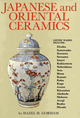
Japanese and Oriental ceramics
Gorham, Hazel H.
Tuttle Publishing
, 2012
; English
; 381 Pages
Japanese and Oriental Ceramics was first published in print form by Tuttle Publishing in 1971.
This comprehensive and profusely illustrated work tells how to distinguish Japanese porcelains from Chinese, and how to recognize modern reproductions of genuine old wares. It is completely indexed, contains a lengthy bibliography, and lists Chinese dates important in any discussion of Oriental ceramics. Crammed with information on the history, esthetics, and technical aspects of the ceramics of Japan and the Orient, the book is an invaluable guide to scholars, collectors and dealers. It is in fact a work of art in itself.
Gorham, Hazel H.
Tuttle Publishing
, 2012
; English
; 381 Pages
Japanese and Oriental Ceramics was first published in print form by Tuttle Publishing in 1971.
This comprehensive and profusely illustrated work tells how to distinguish Japanese porcelains from Chinese, and how to recognize modern reproductions of genuine old wares. It is completely indexed, contains a lengthy bibliography, and lists Chinese dates important in any discussion of Oriental ceramics. Crammed with information on the history, esthetics, and technical aspects of the ceramics of Japan and the Orient, the book is an invaluable guide to scholars, collectors and dealers. It is in fact a work of art in itself.
eBook
Seton, Alistair
Tuttle Publishing
, 2012
; English
; 305 Pages
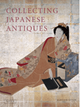
Collecting Japanese Antiques is an excellent overview of the uniquely Japanese aesthetic and how it relates to Japanese culture.
From the time Japan started trading with the West in the sixteenth century, Japanese arts and crafts have intrigued and delighted Westerners, especially lacquer, screens, swords and porcelain.
Antique hunters will benefit from the practical and cautionary advice in this book, newcomers will appreciate information on the basics of collecting Japanese antiques, while other sections might reawaken interest in experienced collectors. Striking photographs throughout make this art and antiques book a must for collectors and lovers of Japanese art.
Seton, Alistair
Tuttle Publishing
, 2012
; English
; 305 Pages
Collecting Japanese Antiques is an excellent overview of the uniquely Japanese aesthetic and how it relates to Japanese culture.
From the time Japan started trading with the West in the sixteenth century, Japanese arts and crafts have intrigued and delighted Westerners, especially lacquer, screens, swords and porcelain.
Antique hunters will benefit from the practical and cautionary advice in this book, newcomers will appreciate information on the basics of collecting Japanese antiques, while other sections might reawaken interest in experienced collectors. Striking photographs throughout make this art and antiques book a must for collectors and lovers of Japanese art.
eBook
The ceramic art of Japan: a handbook for collectors
Munsterberg, Hugo
Tuttle Publishing
, 2010
; English
; 277 Pages
Featuring dozens of color photographs and extensive commentary, this Japanese ceramics guide is an comprehensive resource for collectors and art enthusiasts.
For the collector of Japanese ceramics, the chief value of the book will lie in the author's very practical advice on what, where, and how to collect; what to pay; how to choose a dealer; how to distinguish between the genuine and the imitation; and similar matters of importance. For the non-collector who nevertheless admires Japanese ceramics, the main interest will undoubtedly lie in the concise and highly readable background information that Mr. Munsterberg presents and in his amiable manner of leading the reader to an appreciation of Japan's ceramic art.
For both the collector and the non-collector, the abundance of illustrations, many of them in color, will provide an aesthetic treat.
About this book
Munsterberg, Hugo
Tuttle Publishing
, 2010
; English
; 277 Pages
Featuring dozens of color photographs and extensive commentary, this Japanese ceramics guide is an comprehensive resource for collectors and art enthusiasts.
For the collector of Japanese ceramics, the chief value of the book will lie in the author's very practical advice on what, where, and how to collect; what to pay; how to choose a dealer; how to distinguish between the genuine and the imitation; and similar matters of importance. For the non-collector who nevertheless admires Japanese ceramics, the main interest will undoubtedly lie in the concise and highly readable background information that Mr. Munsterberg presents and in his amiable manner of leading the reader to an appreciation of Japan's ceramic art.
For both the collector and the non-collector, the abundance of illustrations, many of them in color, will provide an aesthetic treat.
About this book
eBook
Hobson, R. L.
Tuttle Publishing
, 1998
; English
; 292 Pages
This book explains and illustrates as many varieties of Ming ceramics as possible. The text is based primarily on information obtained from Chinese sources and the occasional notes made by Europeans who visited China in Ming times. To these, Mr. Hobson has added his own penetrating deductions, made after careful study of well-authenticated specimens and of observation by earlier scholars. His presentation is not only clear and precise but also incontestably authoritative and at the same time highly readable.
The first twelve chapters of the book deal almost exclusively with the porcelain produced at Ching-te Chen; the next four, with the porcelain and pottery made at other centers. The bulk of the 129 pieces illustrated (12 in color) are drawn from private collections, but references is also made to important examples in museums. Of particular interest are Mr. Hobson's comments on collecting and on the identification of genuine Ming wares. A special chapter on marks, inscriptions, and Chinese characters is included, together with a selected bibliography.
Hobson, R. L.
Tuttle Publishing
, 1998
; English
; 292 Pages
This book explains and illustrates as many varieties of Ming ceramics as possible. The text is based primarily on information obtained from Chinese sources and the occasional notes made by Europeans who visited China in Ming times. To these, Mr. Hobson has added his own penetrating deductions, made after careful study of well-authenticated specimens and of observation by earlier scholars. His presentation is not only clear and precise but also incontestably authoritative and at the same time highly readable.
The first twelve chapters of the book deal almost exclusively with the porcelain produced at Ching-te Chen; the next four, with the porcelain and pottery made at other centers. The bulk of the 129 pieces illustrated (12 in color) are drawn from private collections, but references is also made to important examples in museums. Of particular interest are Mr. Hobson's comments on collecting and on the identification of genuine Ming wares. A special chapter on marks, inscriptions, and Chinese characters is included, together with a selected bibliography.
