
Navigation menu
Search
Databases
All Databases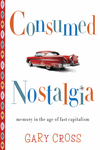
eBook
Consumed nostalgia: memory in the age of fast capitalism
Cross, Gary S.
Columbia University Press
, 2015
; English
; 305 Pages
Nostalgia isn't what it used to be. For many of us, modern memory is shaped less by a longing for the social customs and practices of the past or for family heirlooms handed down over generations and more by childhood encounters with ephemeral commercial goods and fleeting media moments in our age of fast capitalism. This phenomenon has given rise to communities of nostalgia whose members remain loyal to the toys, television, and music of their youth. They return to the theme parks and pastimes of their upbringing, hoping to reclaim that feeling of childhood wonder or teenage freedom. Consumed nostalgia took definite shape in the 1970s, spurred by an increase in the turnover of consumer goods, the commercialization of childhood, and the skillful marketing of nostalgia. Gary Cross immerses readers in this fascinating and often delightful history, unpacking the cultural dynamics that turn pop tunes into oldies and childhood toys into valuable commodities. He compares the limited appeal of heritage sites such as Colonial Williamsburg to the perpetually attractive power of a Disney theme park and reveals how consumed nostalgia shapes how we cope with accelerating change. Today nostalgia can be owned, collected, and easily accessed, making it less elusive and often more fun than in the past, but its commercialization has sometimes limited memory and complicated the positive goals of recollection. By unmasking the fascinating, idiosyncratic character of modern nostalgia, Cross helps us better understand the rituals of recall in an age of fast capitalism.
Cross, Gary S.
Columbia University Press
, 2015
; English
; 305 Pages
Nostalgia isn't what it used to be. For many of us, modern memory is shaped less by a longing for the social customs and practices of the past or for family heirlooms handed down over generations and more by childhood encounters with ephemeral commercial goods and fleeting media moments in our age of fast capitalism. This phenomenon has given rise to communities of nostalgia whose members remain loyal to the toys, television, and music of their youth. They return to the theme parks and pastimes of their upbringing, hoping to reclaim that feeling of childhood wonder or teenage freedom. Consumed nostalgia took definite shape in the 1970s, spurred by an increase in the turnover of consumer goods, the commercialization of childhood, and the skillful marketing of nostalgia. Gary Cross immerses readers in this fascinating and often delightful history, unpacking the cultural dynamics that turn pop tunes into oldies and childhood toys into valuable commodities. He compares the limited appeal of heritage sites such as Colonial Williamsburg to the perpetually attractive power of a Disney theme park and reveals how consumed nostalgia shapes how we cope with accelerating change. Today nostalgia can be owned, collected, and easily accessed, making it less elusive and often more fun than in the past, but its commercialization has sometimes limited memory and complicated the positive goals of recollection. By unmasking the fascinating, idiosyncratic character of modern nostalgia, Cross helps us better understand the rituals of recall in an age of fast capitalism.
eBook
The doll scene : an international collection of crazy, cool, custom designed dolls
Bou, Louis
Rockport Publishers
, 2014
; English
; 259 Pages
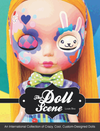
Annotation The Doll Scene features hundreds of custom-created dolls by the hands of some of the best artists worldwide using mainly original Blythe, Pullip, Ball Jointed Dolls, Dal, or Monster High dolls as "raw material" to generate their lovely and stunning characters. These dolls have an oversized head and large eyes that change colors!Changing everything from the original serialized doll-- hair, makeup, reshaping faces, adding new eyelashes, eyelids and clothing-- the artists featured in The Doll Scene create some truly amazing figures.
Bou, Louis
Rockport Publishers
, 2014
; English
; 259 Pages
Annotation The Doll Scene features hundreds of custom-created dolls by the hands of some of the best artists worldwide using mainly original Blythe, Pullip, Ball Jointed Dolls, Dal, or Monster High dolls as "raw material" to generate their lovely and stunning characters. These dolls have an oversized head and large eyes that change colors!Changing everything from the original serialized doll-- hair, makeup, reshaping faces, adding new eyelashes, eyelids and clothing-- the artists featured in The Doll Scene create some truly amazing figures.
eBook
Ningyo : the Art of the Japanese Doll
Pate, Alan Scott; Gardiner, Lynton
Tuttle Publishing
, 2013
; English
; 295 Pages
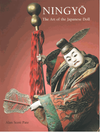
Ningyo: The Art of the Japanese Doll features over 250 unique photographs as well as extensive commentary and background history.
Japanese dolls (ningyo) have played an important role in Japanese art and culture since its earliest stages of development, as talismanic figures, centerpieces, in elaborate festivals, medical study tools, theater distractions, decorative objects, and avidly collected art forms, as well as childhood playthings. Ningyo: The Art of the Japanese Doll is the most comprehensive book on antique Japanese dolls and figurines published in English. The book focuses on the many types of Japanese dolls:
gosho: palace dolls
hina: Girl's Day dolls
musha: warrior dolls for the Boy's Day Festival
isho: fashion dolls
The principal forms of the dolls and their history, stylistic development, cultural context, and economic imperatives are discussed against the backdrop of Edo-period society and popular culture. Beautifully detailed color photographs of ningyo drawn from private collections, many of which are published here for the first time, as well as images of related materials selected from celebrated museums and temple collections, such as folding screens, woodblock prints, sculpture, painting ceramics, and textiles, help place the dolls in context. Ningyo: The Art of the Japanese Doll is a fascinating book for anyone interested in Asian doll art and doll collecting.
Pate, Alan Scott; Gardiner, Lynton
Tuttle Publishing
, 2013
; English
; 295 Pages
Ningyo: The Art of the Japanese Doll features over 250 unique photographs as well as extensive commentary and background history.
Japanese dolls (ningyo) have played an important role in Japanese art and culture since its earliest stages of development, as talismanic figures, centerpieces, in elaborate festivals, medical study tools, theater distractions, decorative objects, and avidly collected art forms, as well as childhood playthings. Ningyo: The Art of the Japanese Doll is the most comprehensive book on antique Japanese dolls and figurines published in English. The book focuses on the many types of Japanese dolls:
gosho: palace dolls
hina: Girl's Day dolls
musha: warrior dolls for the Boy's Day Festival
isho: fashion dolls
The principal forms of the dolls and their history, stylistic development, cultural context, and economic imperatives are discussed against the backdrop of Edo-period society and popular culture. Beautifully detailed color photographs of ningyo drawn from private collections, many of which are published here for the first time, as well as images of related materials selected from celebrated museums and temple collections, such as folding screens, woodblock prints, sculpture, painting ceramics, and textiles, help place the dolls in context. Ningyo: The Art of the Japanese Doll is a fascinating book for anyone interested in Asian doll art and doll collecting.
